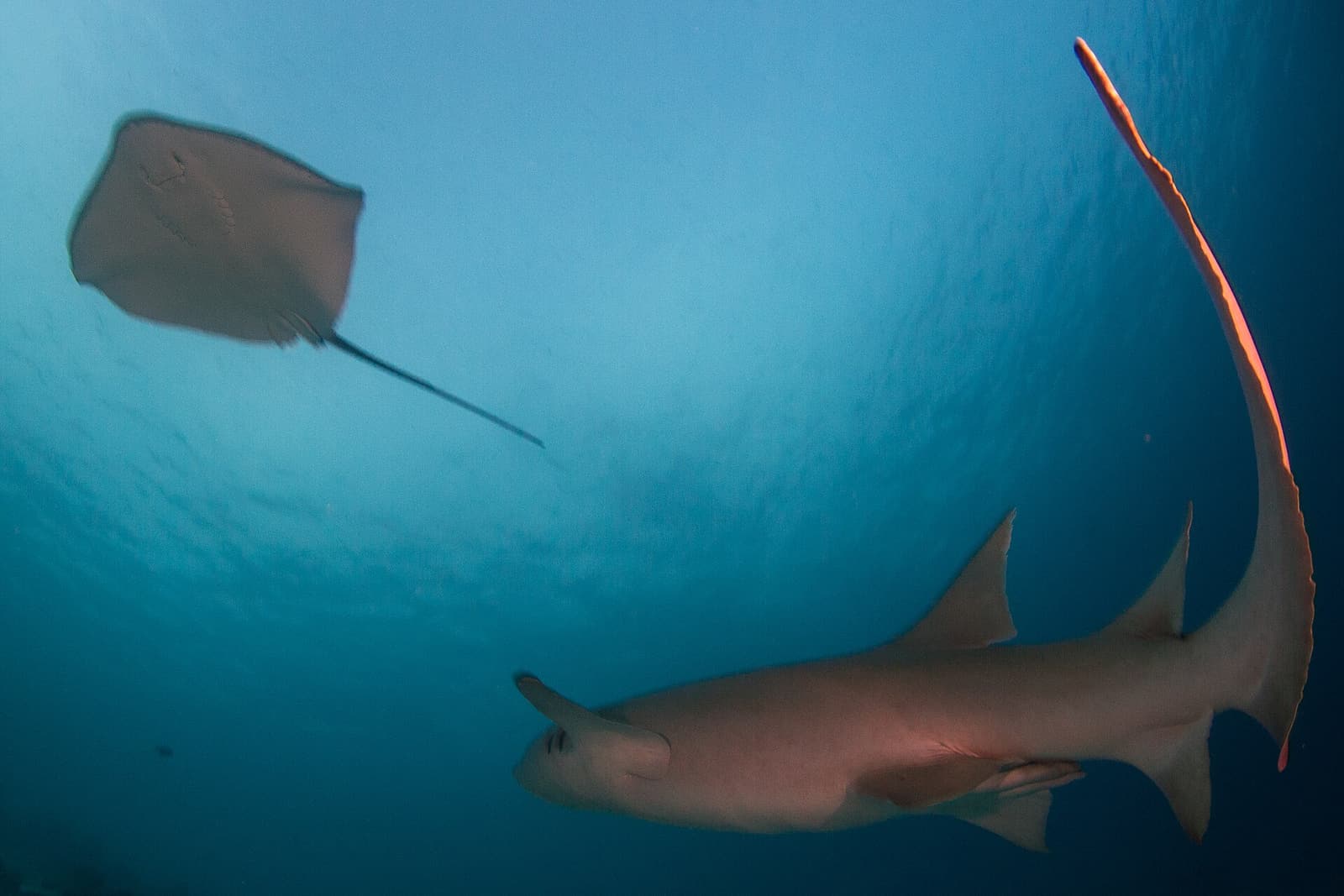
Most islands in the Maldives make you take a boat to meet a shark. On Fulidhoo you can walk to the end of the harbour. For years fishermen have cleaned their catch here and thrown the scraps back into the water, and the tawny nurse sharks and stingrays of the lagoon have learned to come in close. Today they are the island’s unofficial mascots.
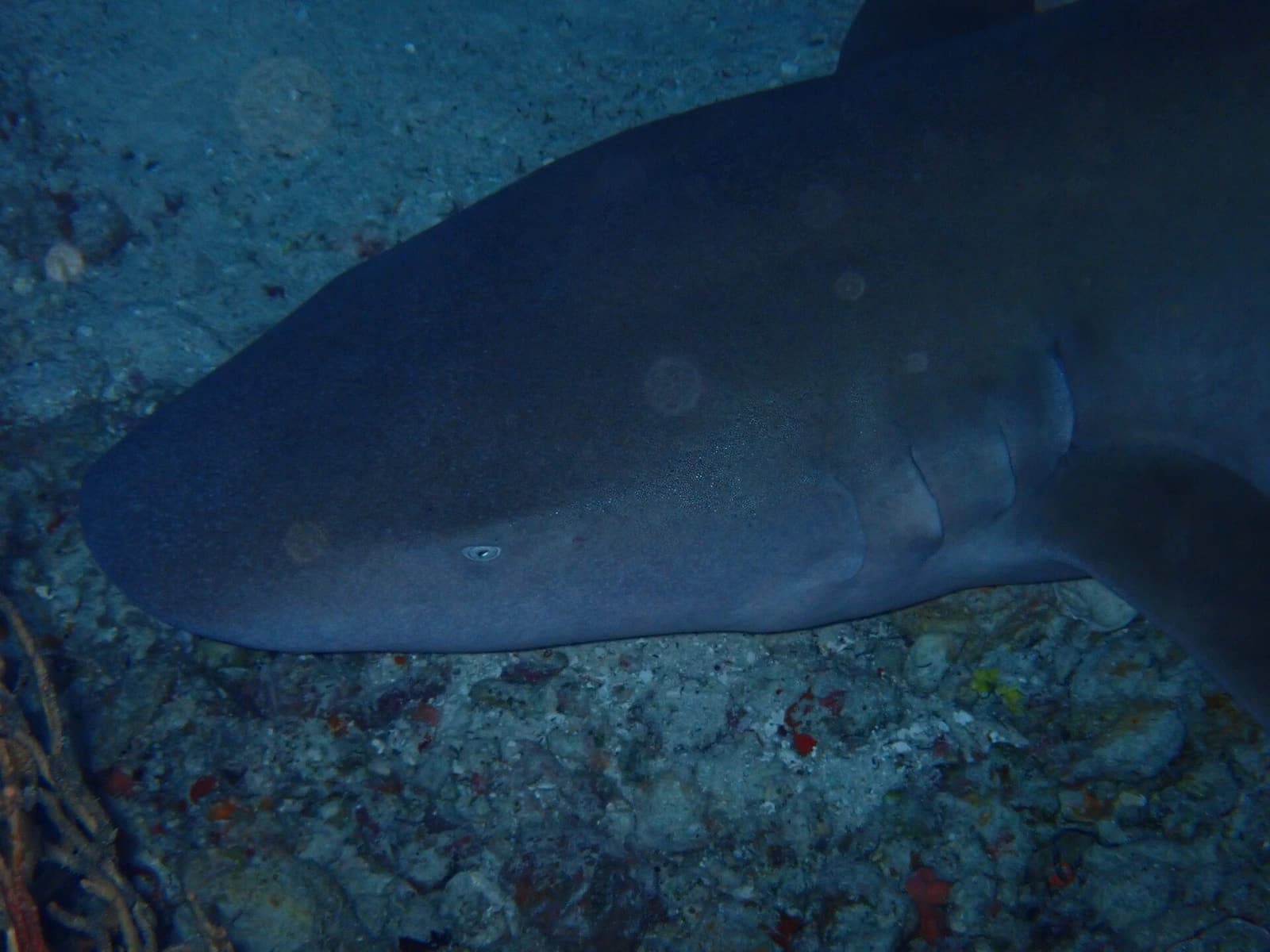
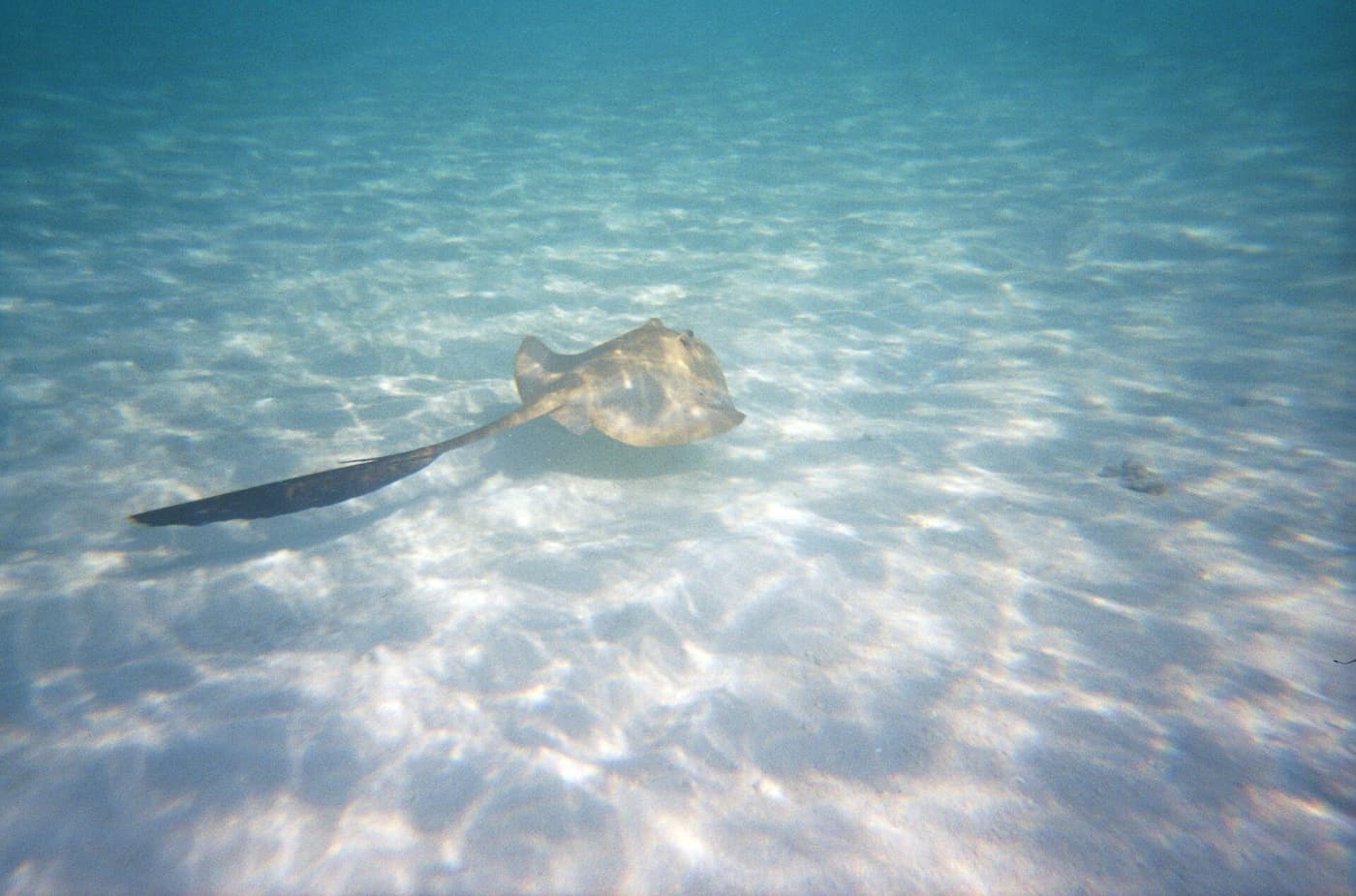
Nurse sharks are slow, bottom-dwelling sharks that feed mostly at night on small fish, crustaceans and octopus. They are not considered a danger to people who leave them alone, which is exactly what you should do. The rays — mostly large whiprays and stingrays — glide through water only knee-deep, which makes them easy to see and easy to tread on if you are careless.
What to see and do: Fulidhoo Harbour
Watch from the quay
The simplest way to see them: stand on the harbour wall or jetty and look down. In the late afternoon and early evening, especially when a boat is unloading or cleaning fish, the sharks and rays are usually most active. There is nothing to pay and no set time; ask at your guesthouse when the boats come in.
Snorkel the shallows
With a mask you can watch the rays and the smaller fish of the harbour wall from water no deeper than your waist. Move slowly, keep your feet off the bottom where you can, and give every animal space. Avoid the busy boat channel itself.
Join a nurse-shark snorkel trip
For larger groups of nurse sharks in clearer water, guesthouses run boat trips to nearby reefs and sandbanks where they rest in numbers. Day trips from Malé and Maafushi also stop here — see tours.
Photograph the sunset
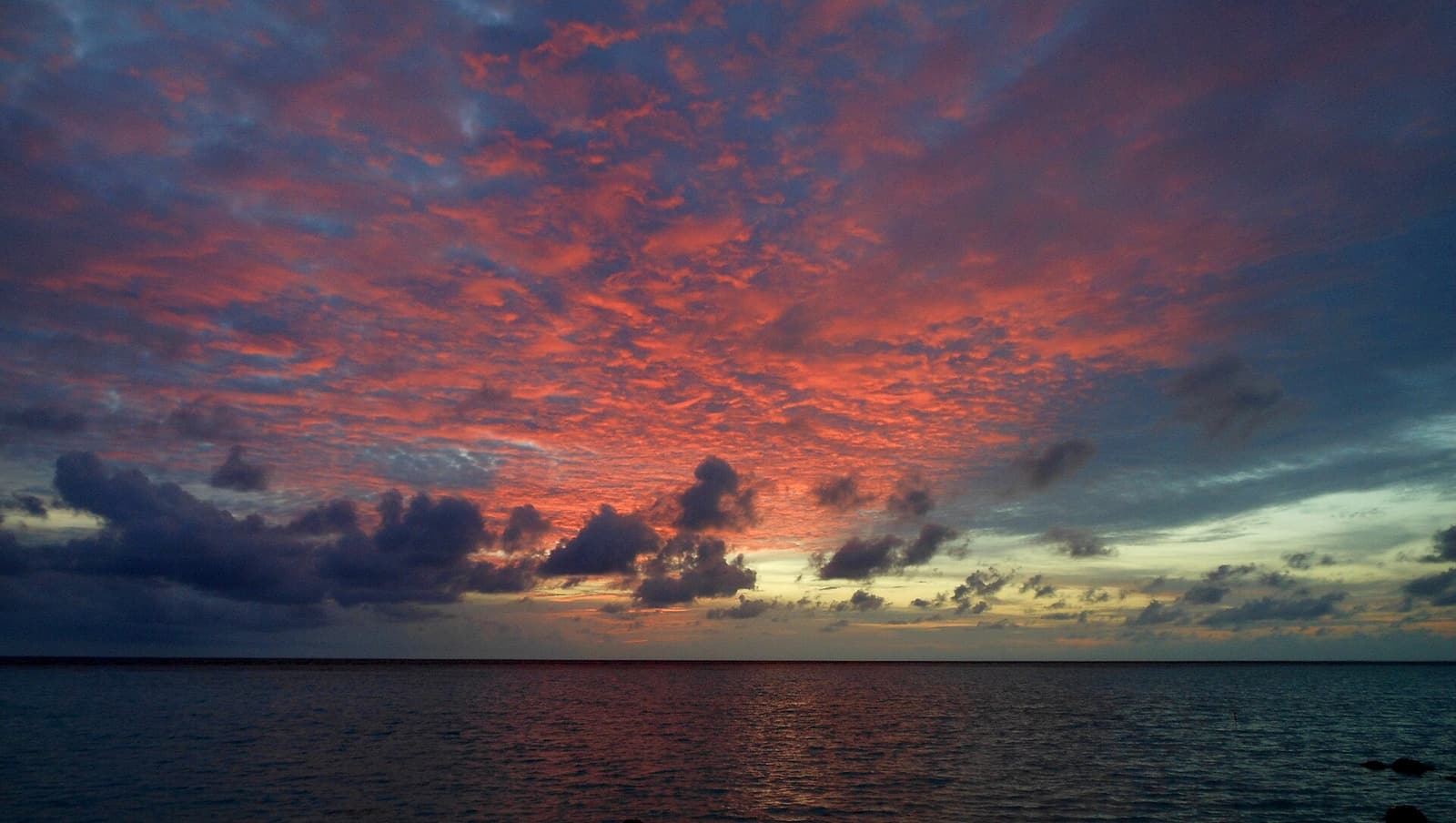
The harbour faces open lagoon, and evenings here are a social time: children swim, men fish from the wall and the light turns gold. It is one of the nicest places on the island to end the day.
How to get to Fulidhoo Harbour
- The harbour is the island’s front door: if you arrive by public ferry or speedboat, you step off here.
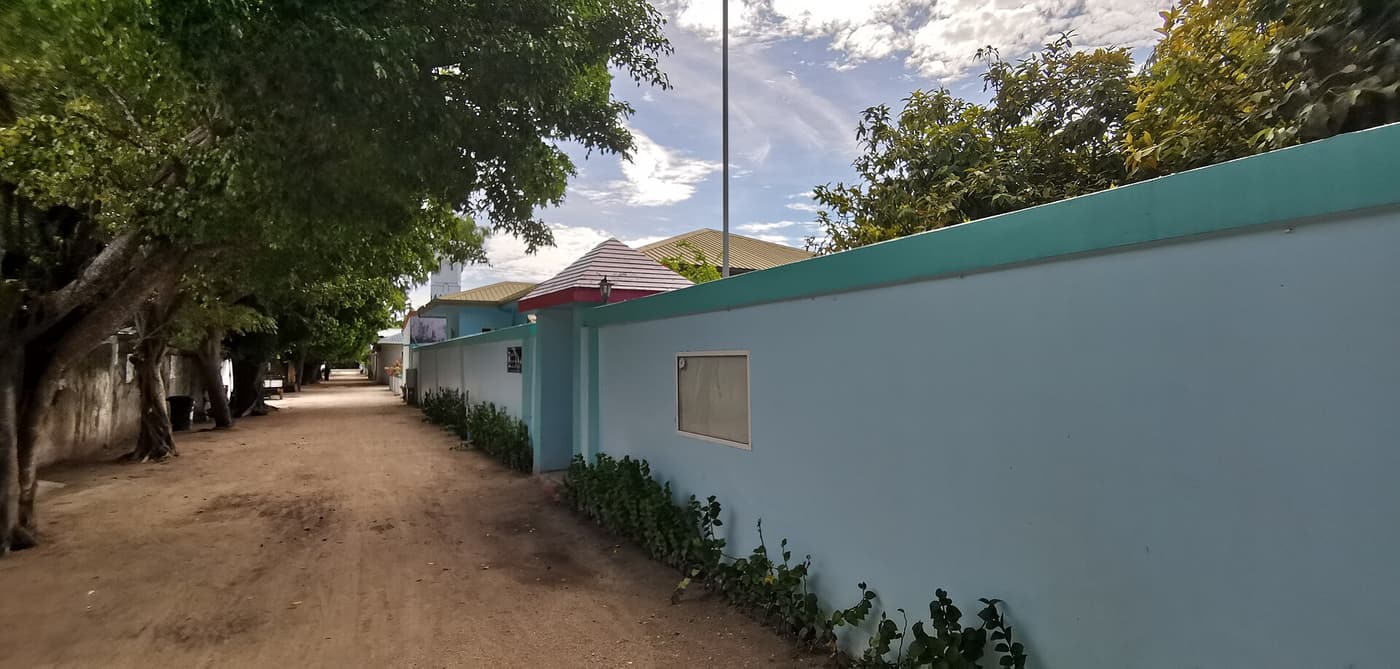
- Every guesthouse on Fulidhoo is within a few minutes’ walk.
- On a day trip from Malé or Maafushi, the harbour is usually one of the stops — check the itinerary of your tour.
Insider tips
- Don’t touch or feed the animals. Some tours advertise “ray feeding”; we suggest you watch rather than take part — feeding changes the animals’ behaviour.
- Shuffle your feet when wading over sand so that resting rays can move away. A stingray only uses its barb in defence, and most injuries happen when someone steps on one.
- Dress code still applies on the harbour: it is part of the village, so wear shorts and a T-shirt over swimwear unless you are actually in the water on a designated beach.
- Bring a torch if you go after dark — the lanes are lit, but the harbour edge is not everywhere.
Tours & trips for Fulidhoo Harbour
These bookable experiences pair well with Fulidhoo Harbour:
 Full-day trip from €189
Malé: Nurse Shark Maldives & Fulidhoo Stingray Tour
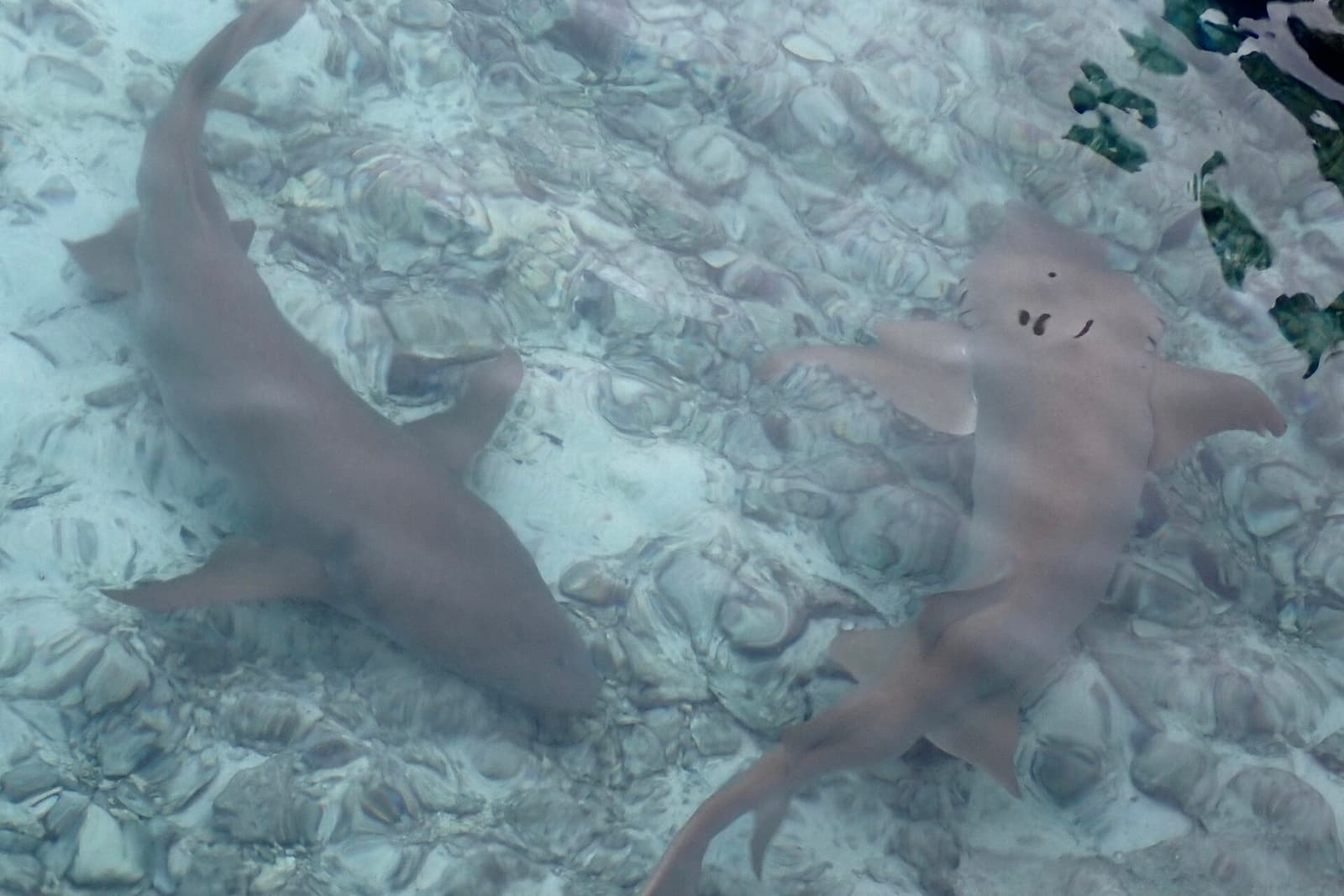
A full day from the capital to Vaavu Atoll by speedboat: snorkelling with gentle nurse sharks, the stingrays of Fulidhoo, a look for dolphins and a picnic lunch.
- Snorkel with nurse sharks, stingrays and dolphins in Vaavu Atoll
- Speedboat from Malé
- Picnic lunch included
Half-day trip from €108 Maafushi: Nurse Shark Snorkeling, Fulidhoo & Dolphin Tour
Swim with nurse sharks, step ashore on Fulidhoo, stand in knee-deep water as stingrays glide past and picnic on a sandbank, with a look for dolphins on the way.
- Visit Fulidhoo island
- Stingrays glide around your feet in knee-deep water
- Sandbank picnic and dolphin spotting
Day trip from €90 Maafushi: Nurse Sharks, Stingrays, Sand Bank & Dolphins Tour
Leave Maafushi by speedboat for a chance to swim with nurse sharks, watch dolphins and stand among stingrays, with lunch on a sandbank. GetYourGuide lists it under Fulidhoo.
- Swim with nurse sharks and stingrays
- Lunch and photos on a sandbank
- Chance to spot dolphins
 Private tour from €1595 per group
From Malé: Private Shark Bay Snorkel & Fulidhoo Ray Feeding
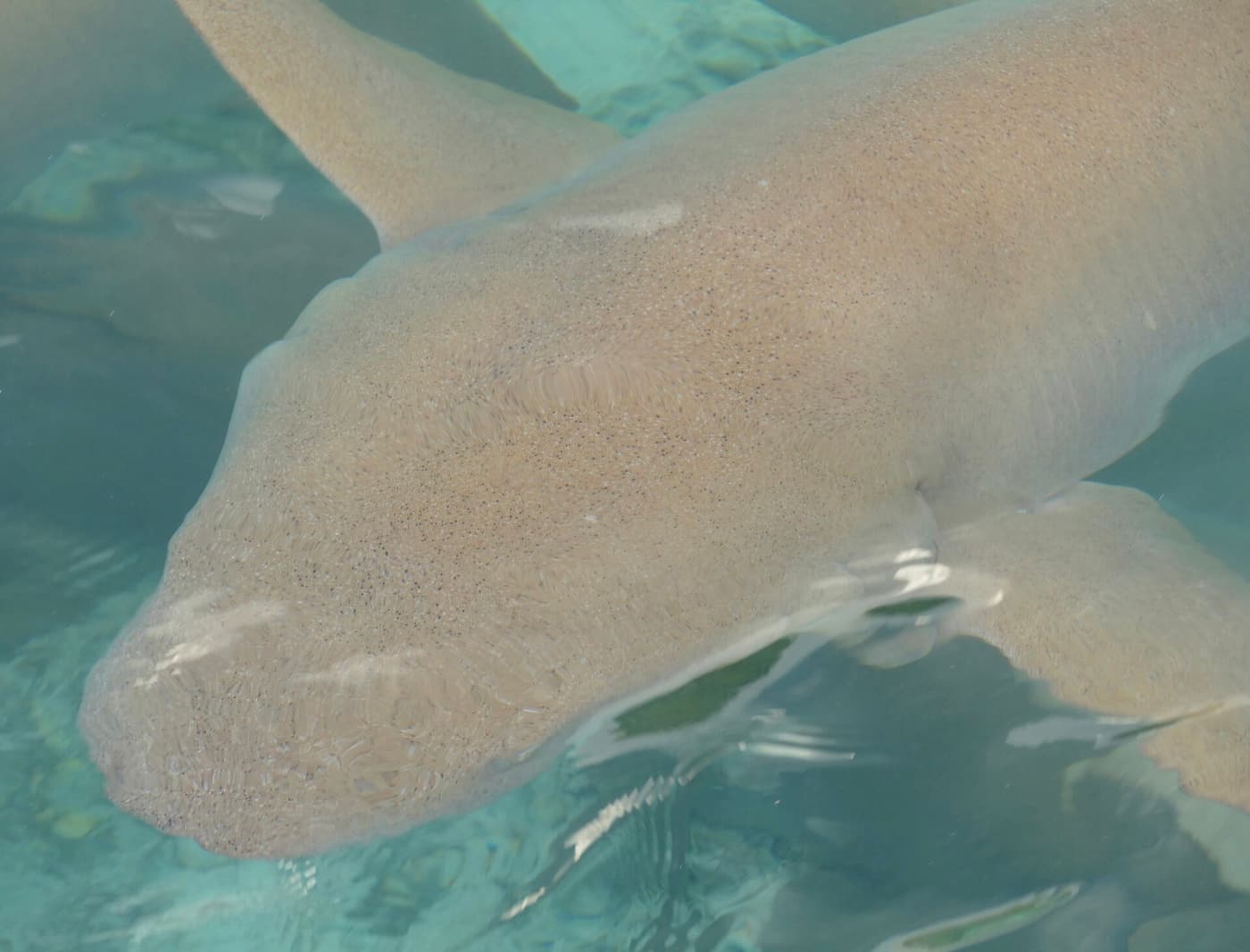
A private day in Vaavu: nurse-shark snorkelling, a walk around Fulidhoo, the island’s stingray feeding, a dolphin cruise and lunch on a sandbank. Priced per group.
- Private boat, guide, photos and videos
- Nurse shark snorkelling and a Fulidhoo island tour
- Dolphin cruise and sandbank lunch