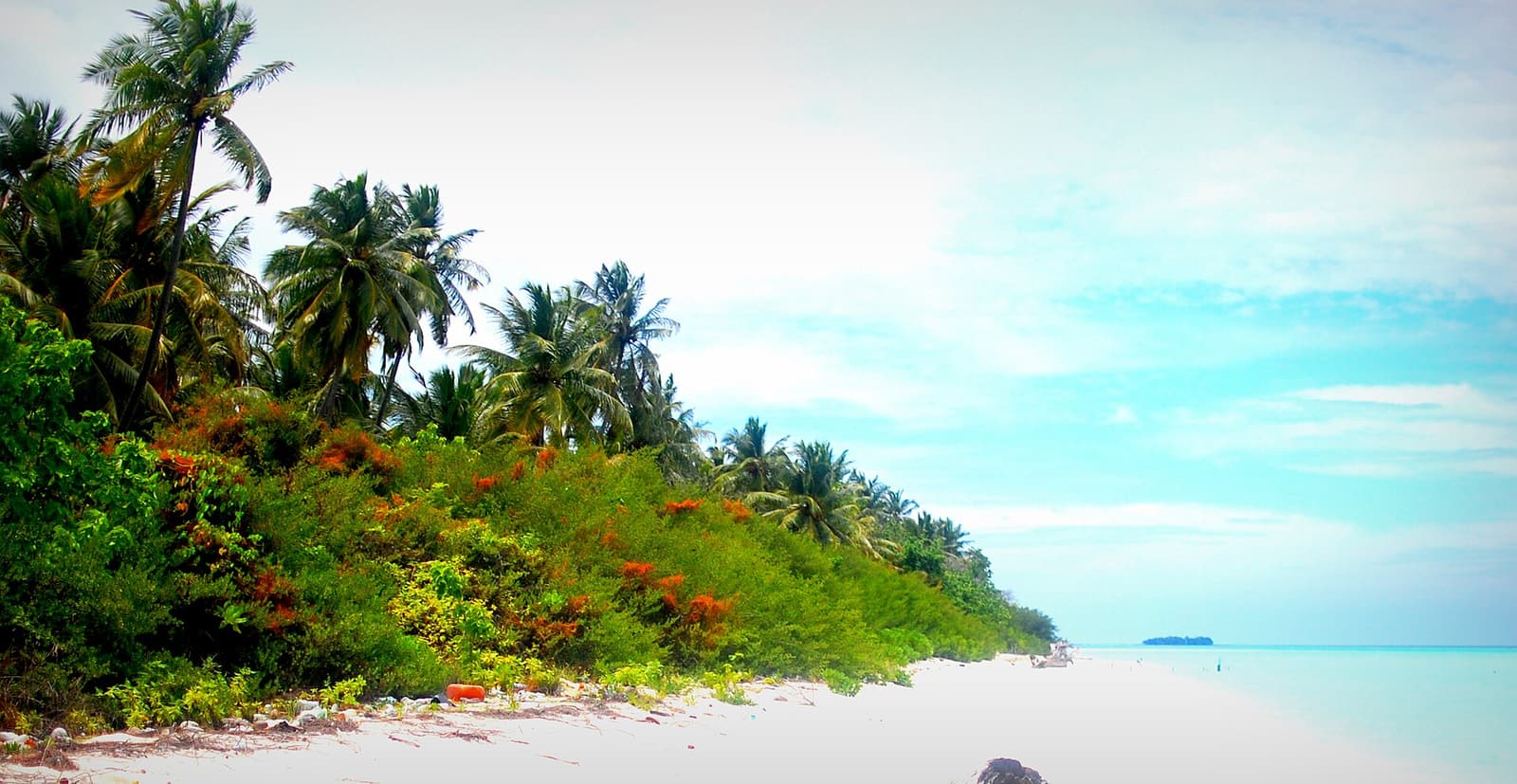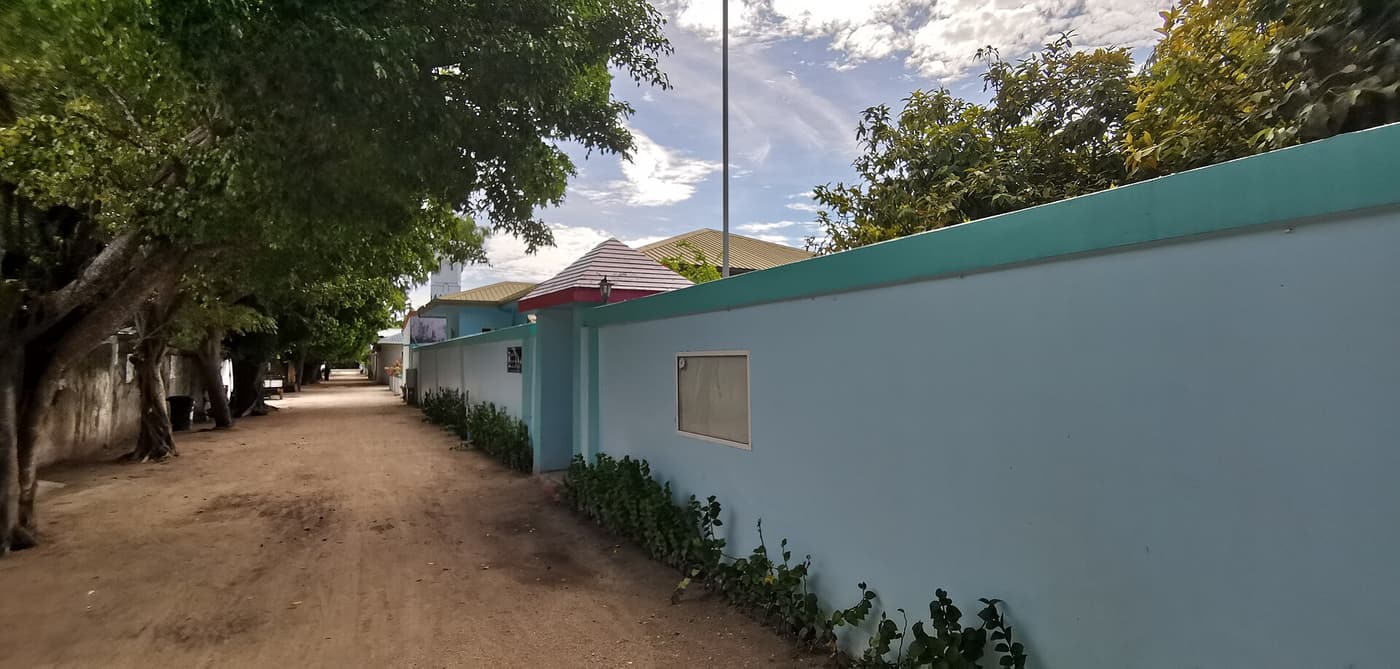
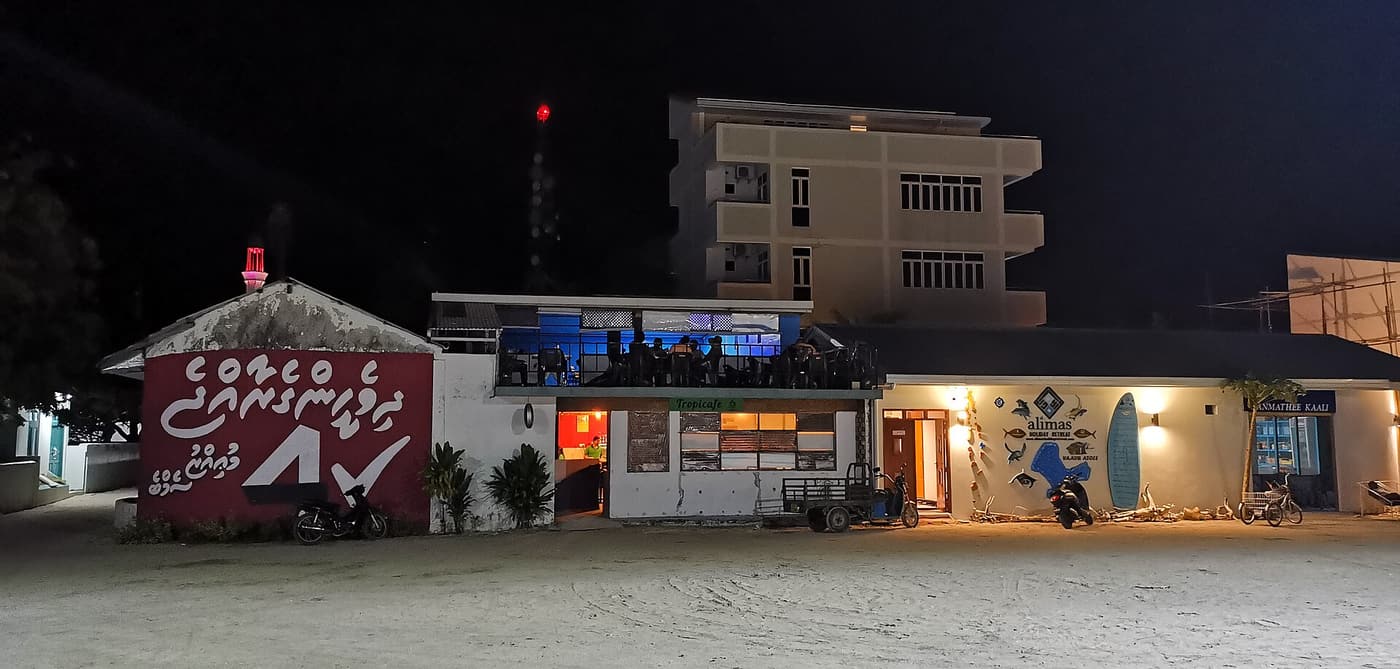
Fulidhoo is tiny: a single village of a few hundred people on an island you can cross in a few minutes on foot. The lanes are sand, not asphalt; there are bicycles and the odd motorbike or buggy, but hardly any traffic. Houses hide behind walls painted white, blue and green, under breadfruit, banyan and flowering trees, and swings hang from branches outside many homes.
Life revolves around fishing, the mosque, the school and, increasingly, the guesthouses. It is a good place to see how ordinary Maldivians live — and Fulidhoo is famous across the country for one thing in particular: its Bodu Beru drummers.
What to see and do: Fulidhoo Village
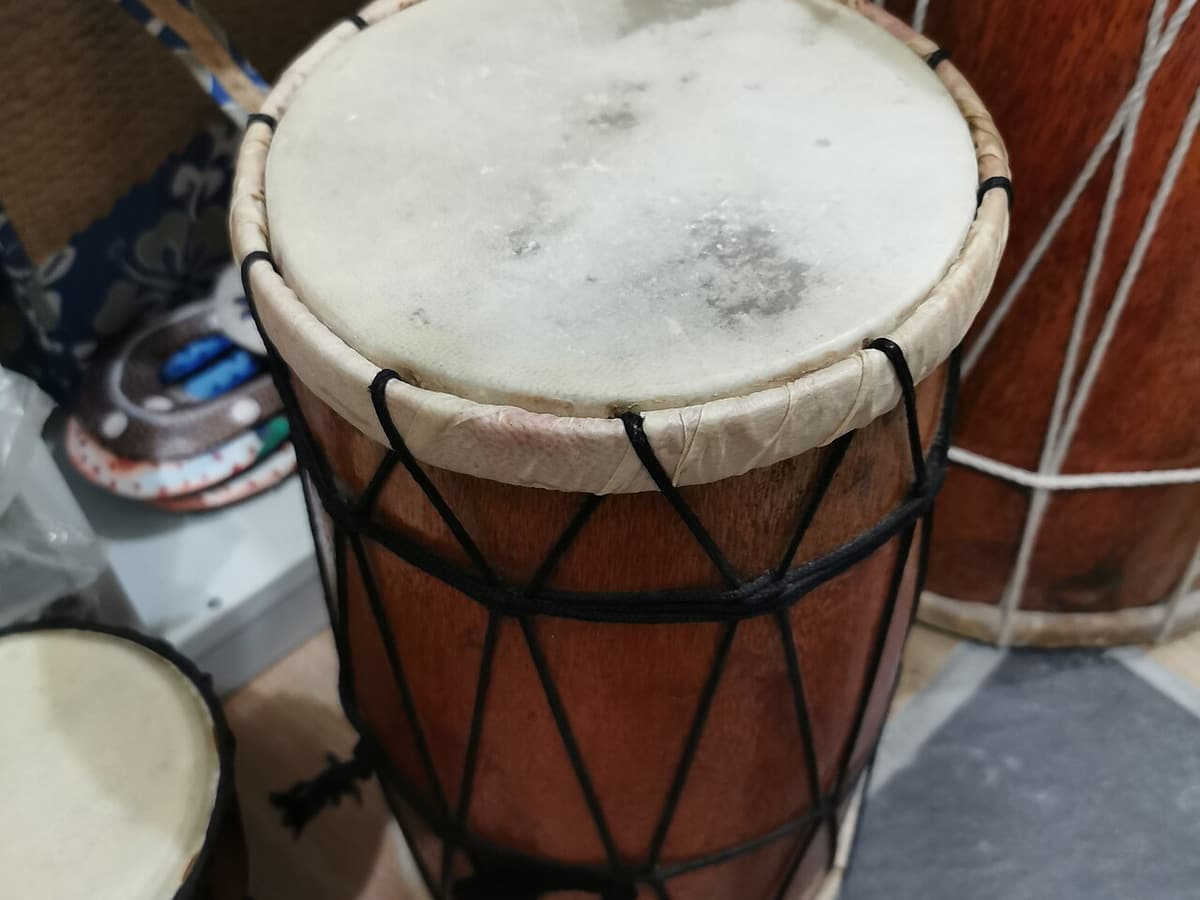
See a Bodu Beru performance
Bodu Beru — “big drum” — is the best-known music of the Maldives: a group of drummers and a lead singer start slowly and build to a frenzied, hypnotic rhythm, while dancers move to the beat. Fulidhoo’s drummers are well known; guesthouses can often arrange a performance, typically for groups or on certain evenings, for a fee. Ask when you book.
Walk the island
Start at the harbour, wander the lanes past the mosque and school, and finish at the beach. Greet people with a smile; residents are used to visitors but this is their home. A slow loop takes well under an hour.
Eat Maldivian
Guesthouses and a handful of small cafés serve Maldivian food: fish curries, grilled reef fish, rice and roshi (flatbread), and mas huni — tuna, coconut, onion and chilli — for breakfast. Ask for “short eats” with tea in the afternoon.
Shop for small things
There are small shops for snacks, water and essentials, and a few souvenir stalls. Choice is limited; bring sunscreen, medicines and anything specific from home or Malé.
How to get to Fulidhoo Village
- The village is the island: you are in it the moment you leave the harbour.
- Day trips from Malé and Maafushi often include a short village walk — see tours.
- To stay overnight, see where to stay.
Insider tips
- Dress modestly in the village: shoulders and knees covered for everyone.
- Friday midday is the main prayer time; shops and cafés may close around prayers every day.
- Ask before photographing people, especially women and children.
- During Ramadan avoid eating, drinking or smoking in public during daylight; guesthouses still serve guests.
Tours & trips for Fulidhoo Village
These bookable experiences pair well with Fulidhoo Village:
 Half-day trip from €108
Maafushi: Nurse Shark Snorkeling, Fulidhoo & Dolphin Tour
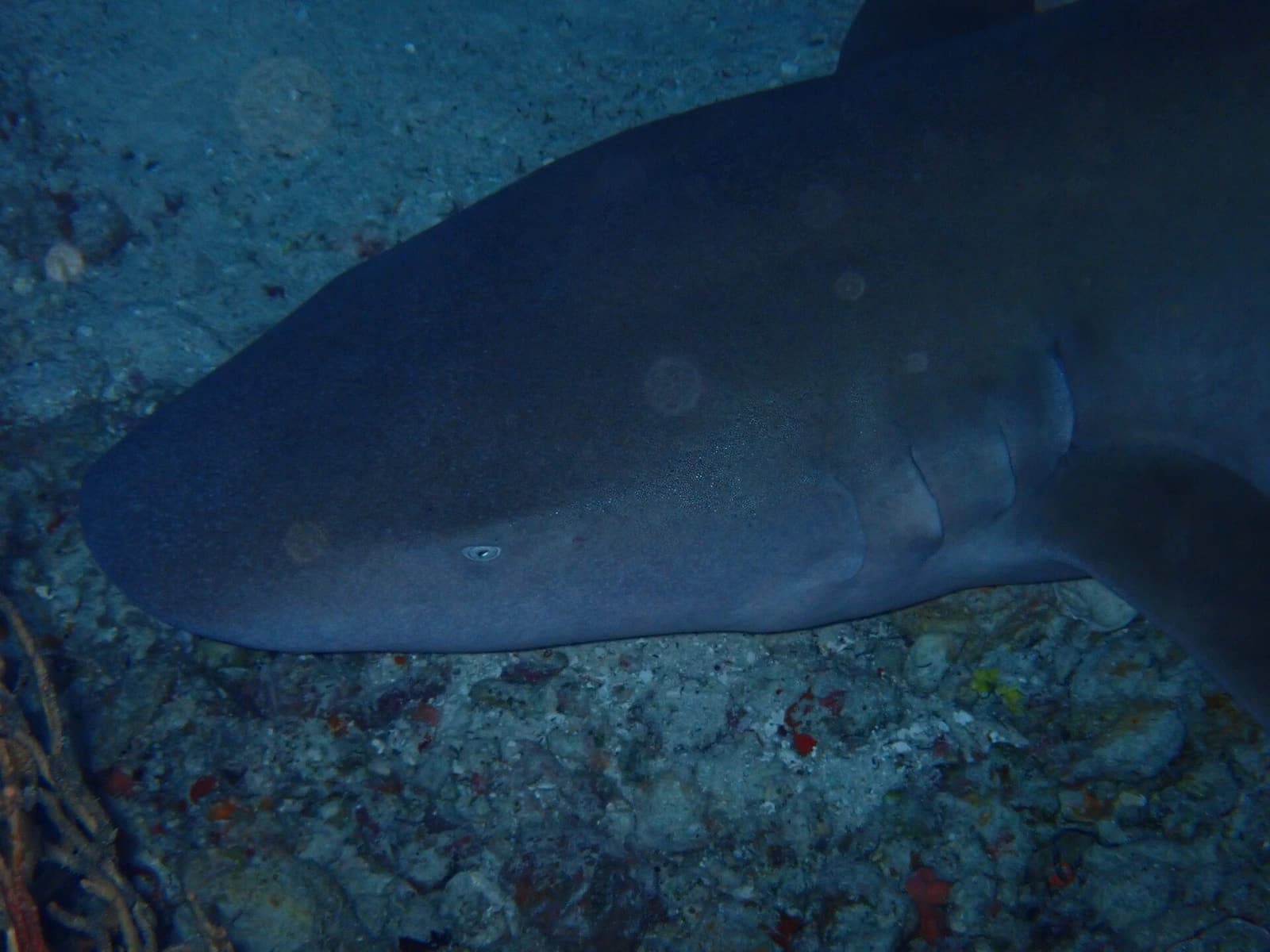
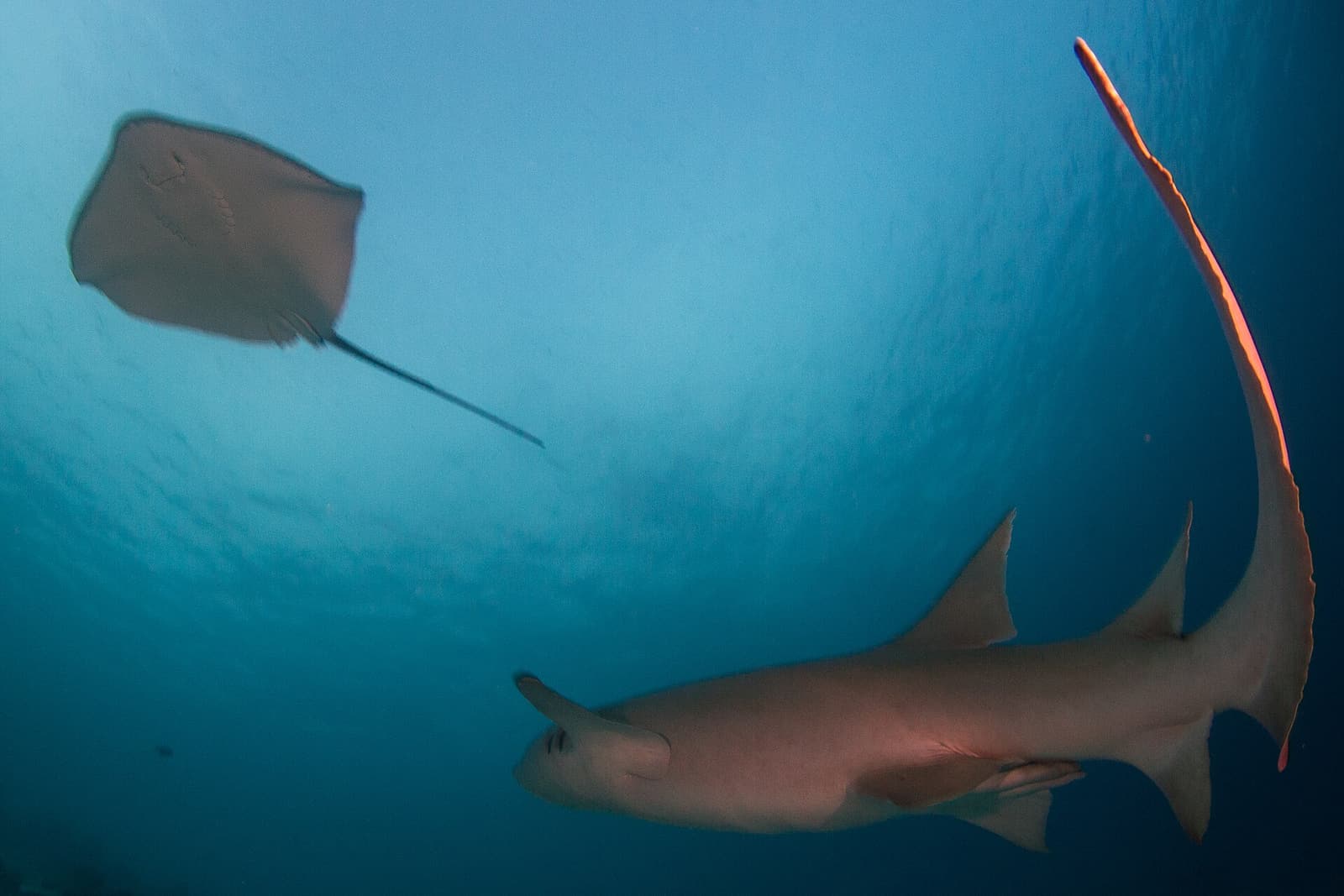
Swim with nurse sharks, step ashore on Fulidhoo, stand in knee-deep water as stingrays glide past and picnic on a sandbank, with a look for dolphins on the way.
- Visit Fulidhoo island
- Stingrays glide around your feet in knee-deep water
- Sandbank picnic and dolphin spotting
 Private tour from €1168 per group
Maldives: “Shipwrecks, Sharks, and Sandbanks” Full-Day Tour
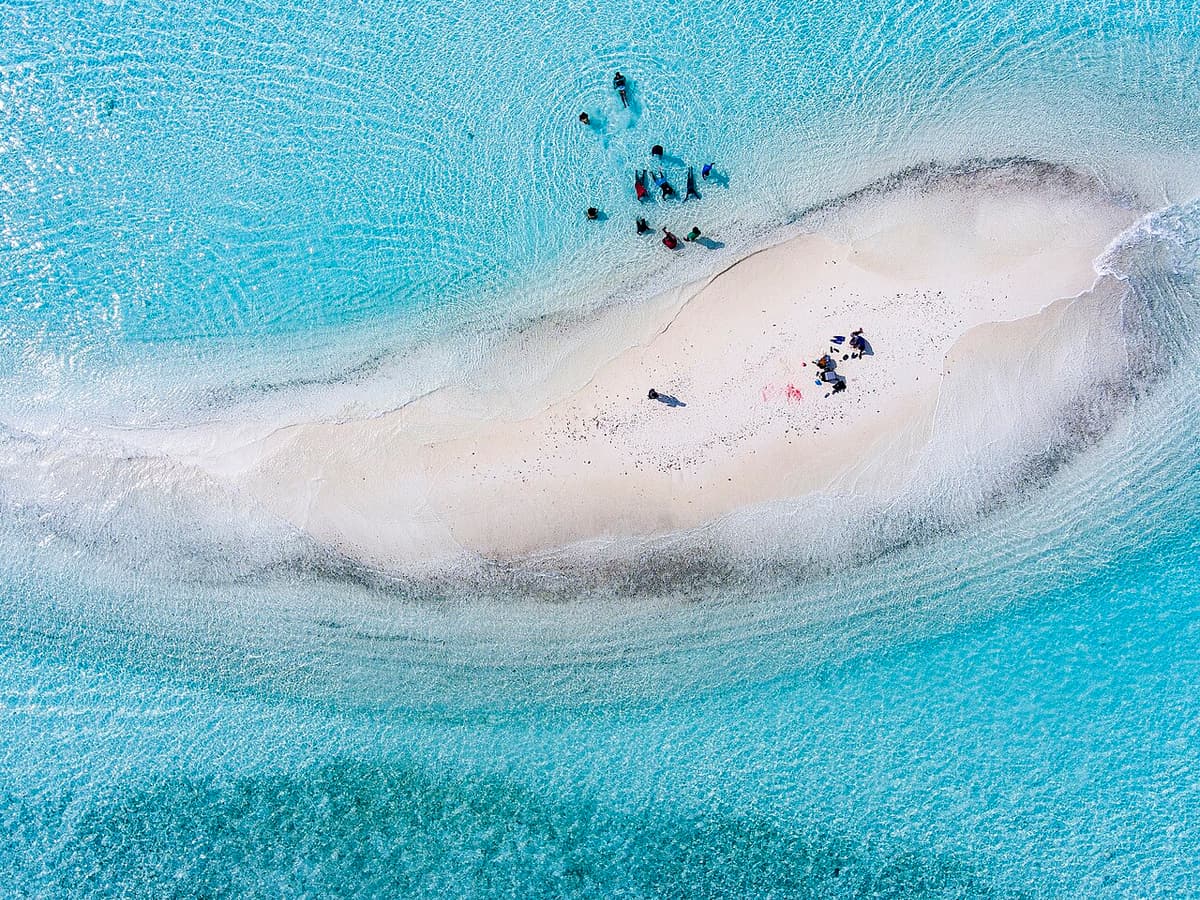
A full-day boat tour combining a shipwreck snorkel, nurse sharks, stingrays, dolphin watching, a sandbank and a visit to Fulidhoo village. Priced per group.
- Shipwreck snorkelling
- Nurse sharks and stingray feeding
- Sandbank and a visit to Fulidhoo village
 Full-day trip from €189
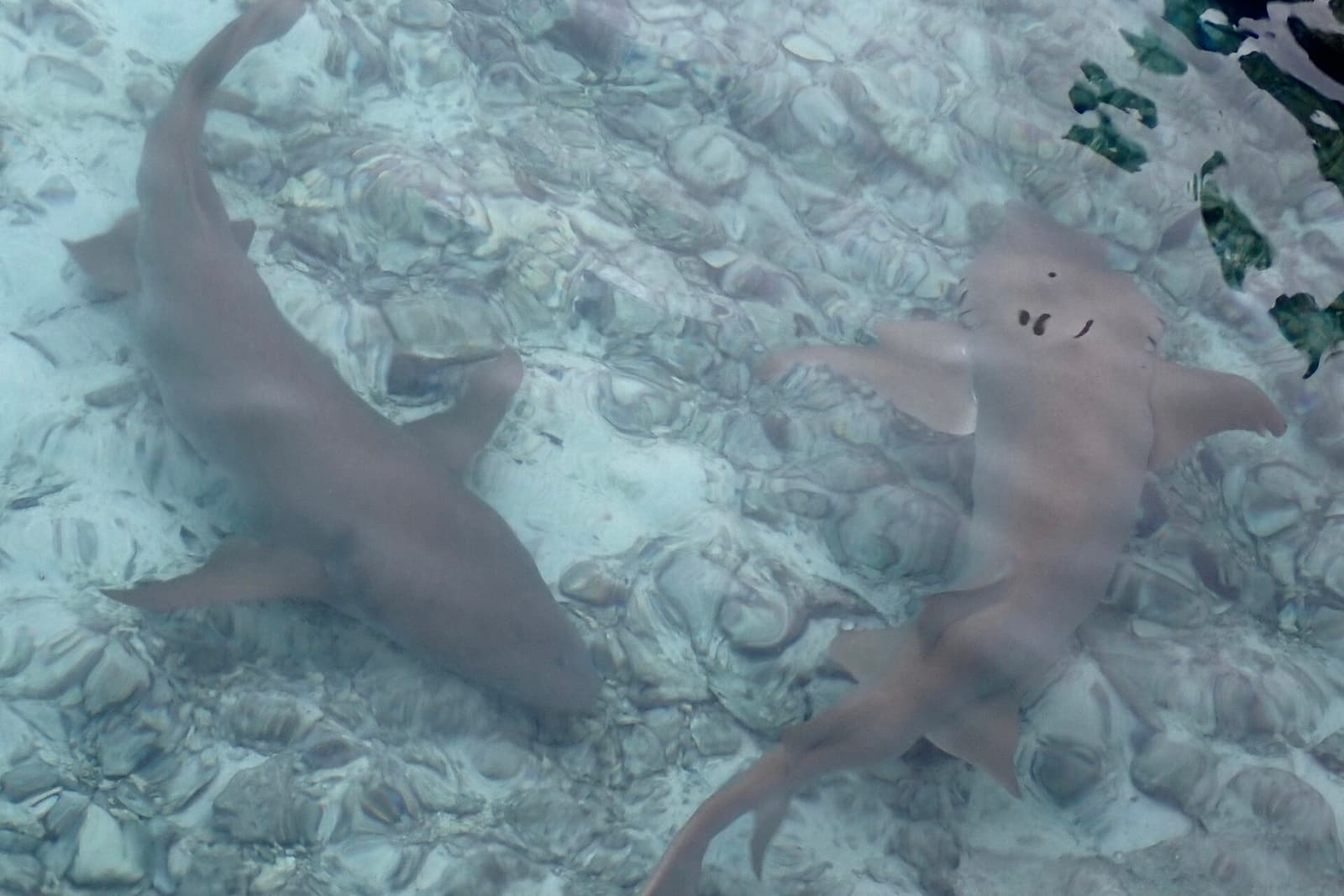
Malé: Nurse Shark Maldives & Fulidhoo Stingray Tour
A full day from the capital to Vaavu Atoll by speedboat: snorkelling with gentle nurse sharks, the stingrays of Fulidhoo, a look for dolphins and a picnic lunch.
- Snorkel with nurse sharks, stingrays and dolphins in Vaavu Atoll
- Speedboat from Malé
- Picnic lunch included
 City tour from €27
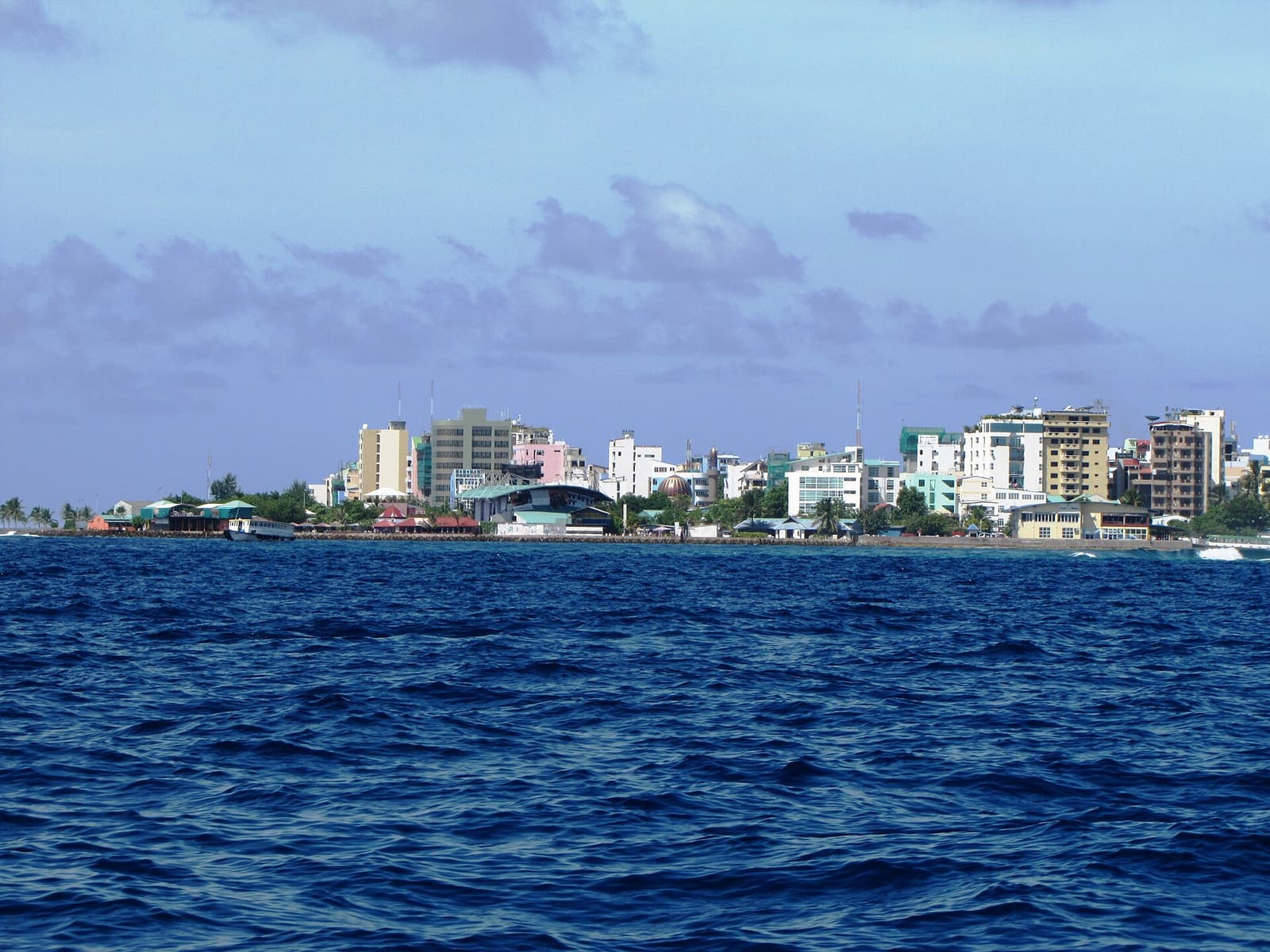
Malé: Private Tour of the Maldives’ Capital City
Explore the capital with an experienced, authorised guide who has been showing visitors around since 1998, with history and stories in several languages.
- Experienced, authorised guide
- History and stories of the Maldives
- Several languages offered