A guesthouse on Fulidhoo costs a fraction of a resort villa — but the Maldives is still not a cheap country. Boats, imported food and taxes add up. Here is what to expect, with rough figures you should always check against current rates.
The main costs
| Item | Rough cost | Notes |
|---|---|---|
| Guesthouse double room | roughly US$40–150+ per night | Breakfast usually included; see where to stay |
| Green tax | US$6 per person per night (small guesthouses, since Jan 2025) | Usually paid at the property |
| Shared speedboat Malé–Fulidhoo | tens of US$ per person each way | Ask your guesthouse for the current fare |
| Public ferry | a few US$ per person | Slow, a few days a week only |
| Half-day snorkel / sandbank trip | varies widely with group size | Shared is much cheaper than private |
| Scuba dive | varies by centre and package | Packages of several dives cost less per dive |
| Meals | modest in local cafés; more for half board | Many guests take half or full board |
 Day trip from €90
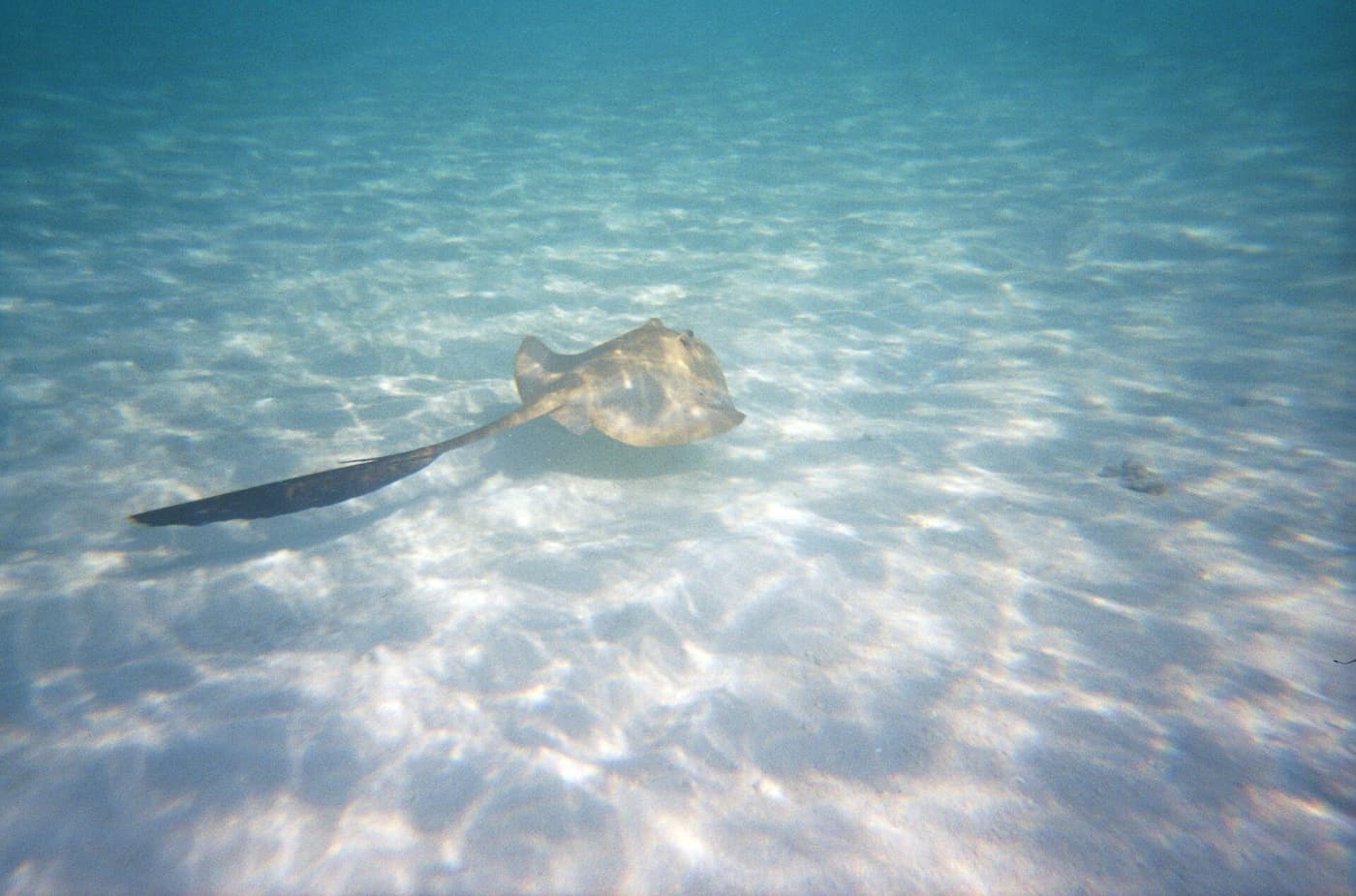
Maafushi: Nurse Sharks, Stingrays, Sand Bank & Dolphins Tour
Leave Maafushi by speedboat for a chance to swim with nurse sharks, watch dolphins and stand among stingrays, with lunch on a sandbank. GetYourGuide lists it under Fulidhoo.
- Swim with nurse sharks and stingrays
- Lunch and photos on a sandbank
- Chance to spot dolphins
 Day trip from €71
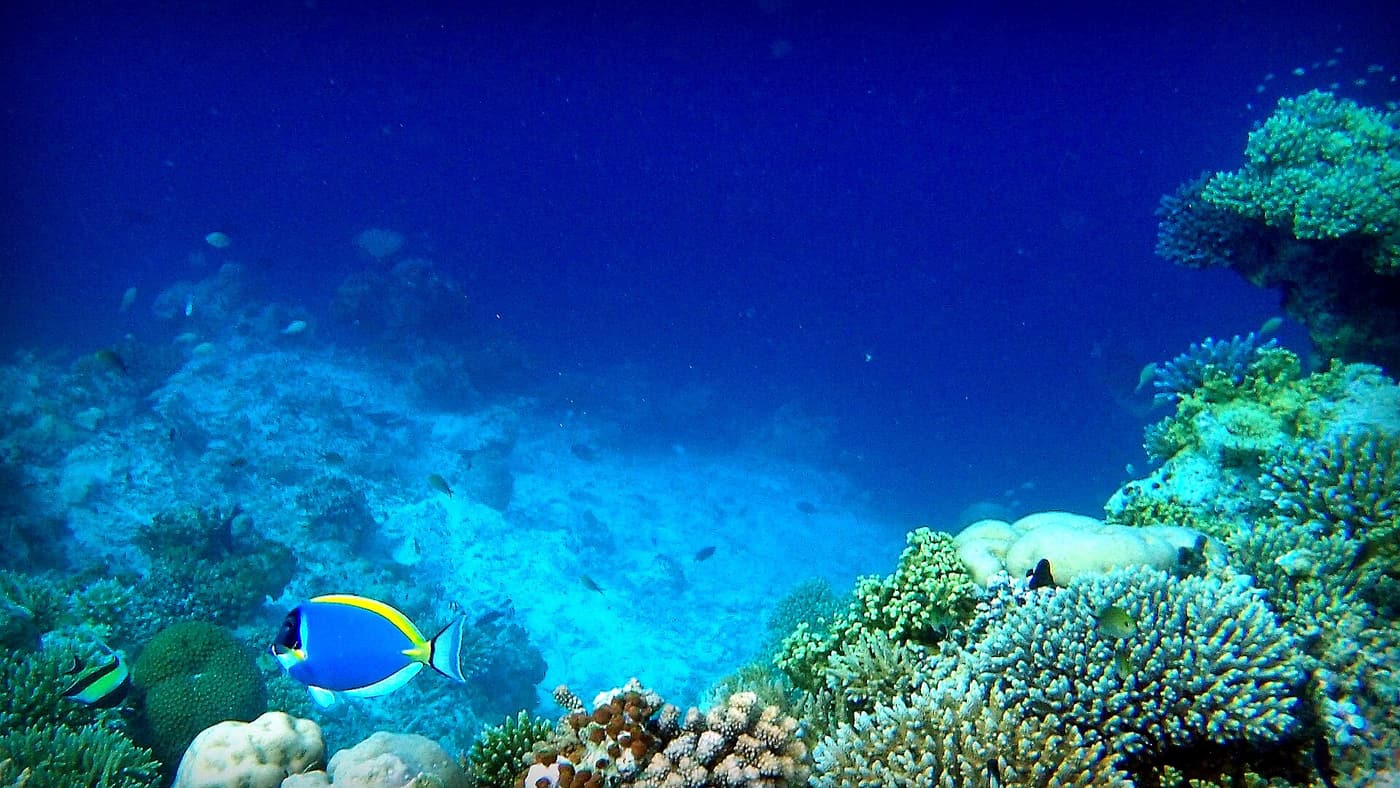
From Hulhumalé: Full-Day Stingray Reef Snorkeling Boat Tour
A day of snorkelling from Hulhumalé, near the airport, with a boat trip to Himmafushi island and time on a colourful reef. One of the most reviewed trips around Malé.
- Boat trip to Himmafushi island
- Snorkel a coral reef
- Hundreds of reviews
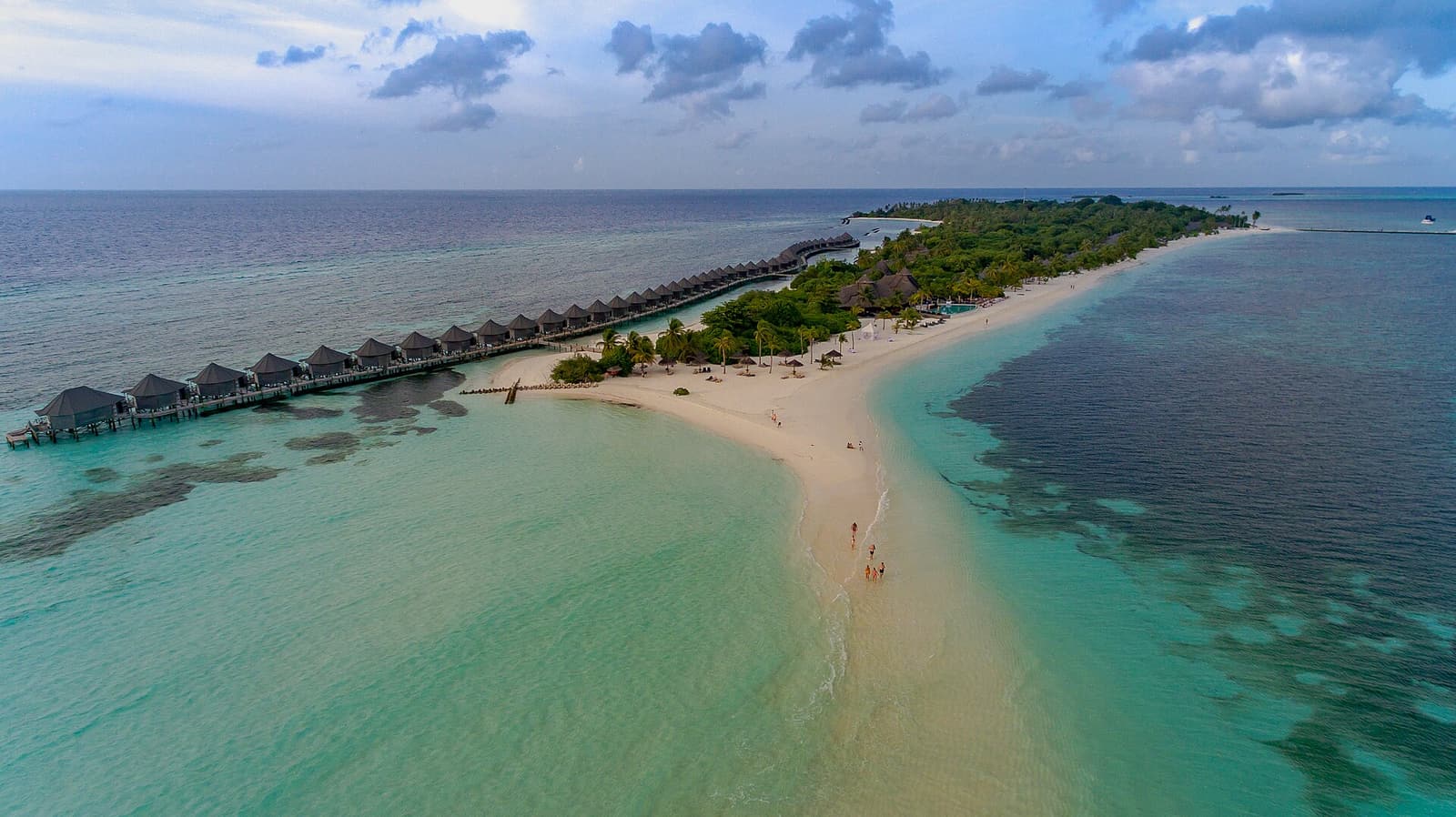 Snorkel trip from €80
Maldives: Snorkeling with Nurse Sharks, Coral Reef, Sandbank
A short, well-reviewed snorkel trip from the Malé area: nurse sharks, a coral reef and a sandbank, by speedboat. Handy on the day you arrive or before your flight home.
- Swim with nurse sharks
- Coral reef snorkelling
- Time on a sandbank
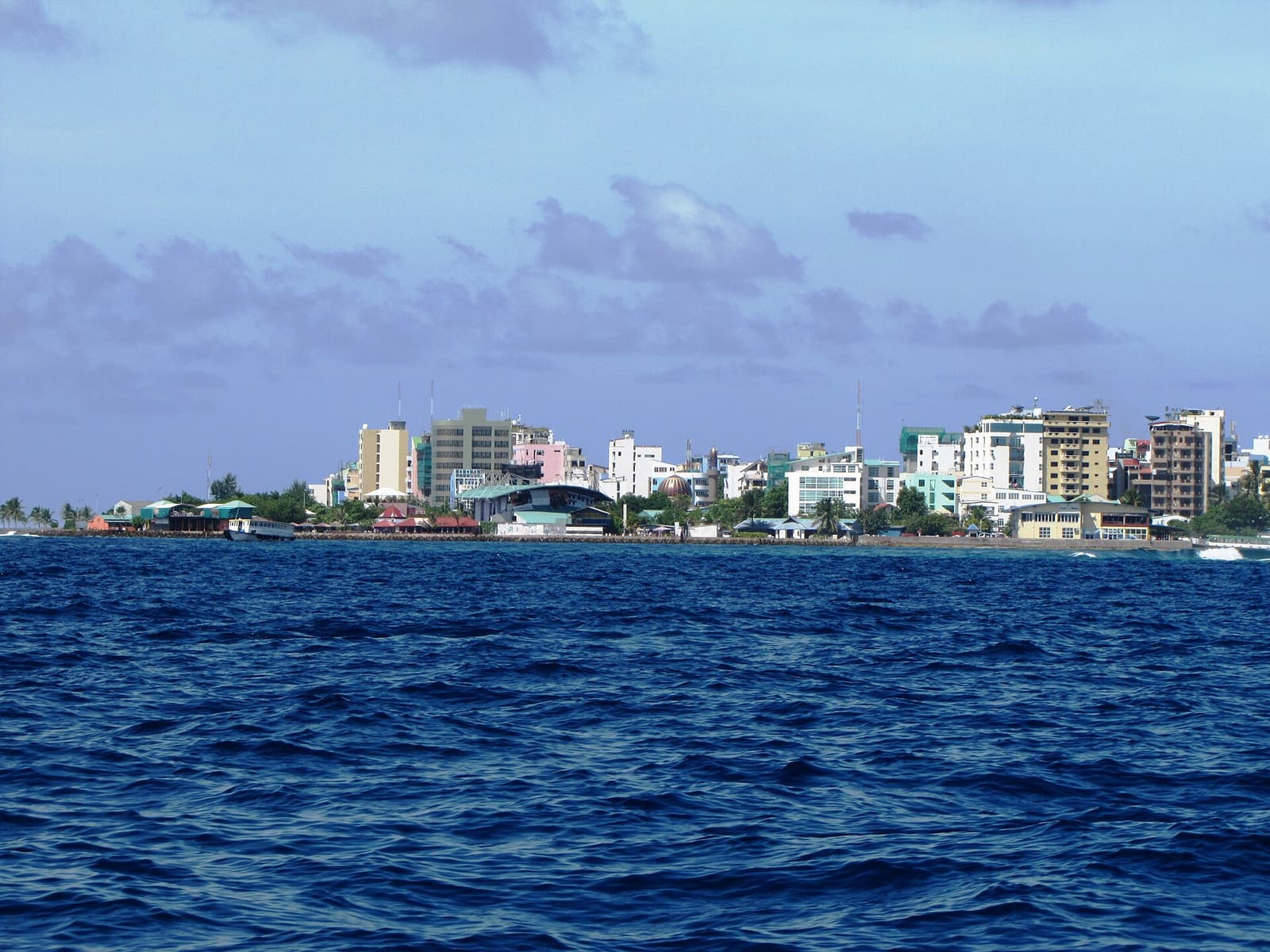 City tour from €27
Malé: Private Tour of the Maldives’ Capital City
Explore the capital with an experienced, authorised guide who has been showing visitors around since 1998, with history and stories in several languages.
- Experienced, authorised guide
- History and stories of the Maldives
- Several languages offered
The green tax
Every tourist in the Maldives pays a green tax for each night of their stay. For guesthouses of up to 50 rooms on inhabited islands it rose from US$3 to US$6 per person per night on 1 January 2025; resorts and larger properties pay more. Children under two are exempt. It is usually collected by your accommodation — check whether it is already included in your booking.
Other taxes and charges
- A goods and services tax for tourism and often a service charge are added to many tourist prices; ask whether quotes include them.
- Airport departure charges are normally included in your airline ticket.
Cash, cards and currency
- The local currency is the Maldivian rufiyaa (MVR). Guesthouse and excursion prices are usually quoted in US dollars.
- Bring clean, recent US dollar notes; damaged or very old notes may be refused.
- Don’t rely on an ATM on Fulidhoo. Withdraw cash at the airport or in Malé.
- Some guesthouses accept cards, sometimes with a surcharge — ask in advance.
- Small purchases in shops and cafés are easiest in rufiyaa; change may be given in rufiyaa even if you pay in dollars.
How to save
- Travel May to November, when rooms are often cheaper.
- Take the public ferry if your dates fit its schedule.
- Share boat trips: join other guests rather than chartering privately.
- Choose half board if restaurants are limited; it is often better value than eating out every meal.
- Bring your own snorkel gear, sunscreen and medicines — imported goods on small islands are expensive.
- Refill water rather than buying bottles.
A sample budget
Two people sharing a mid-range guesthouse for five nights, with shared speedboat transfers, three shared excursions and half board, will typically spend far less than a single night or two in a mid-range resort — but more than in Southeast Asia. Build in the green tax, a buffer for weather changes and some cash for tips.