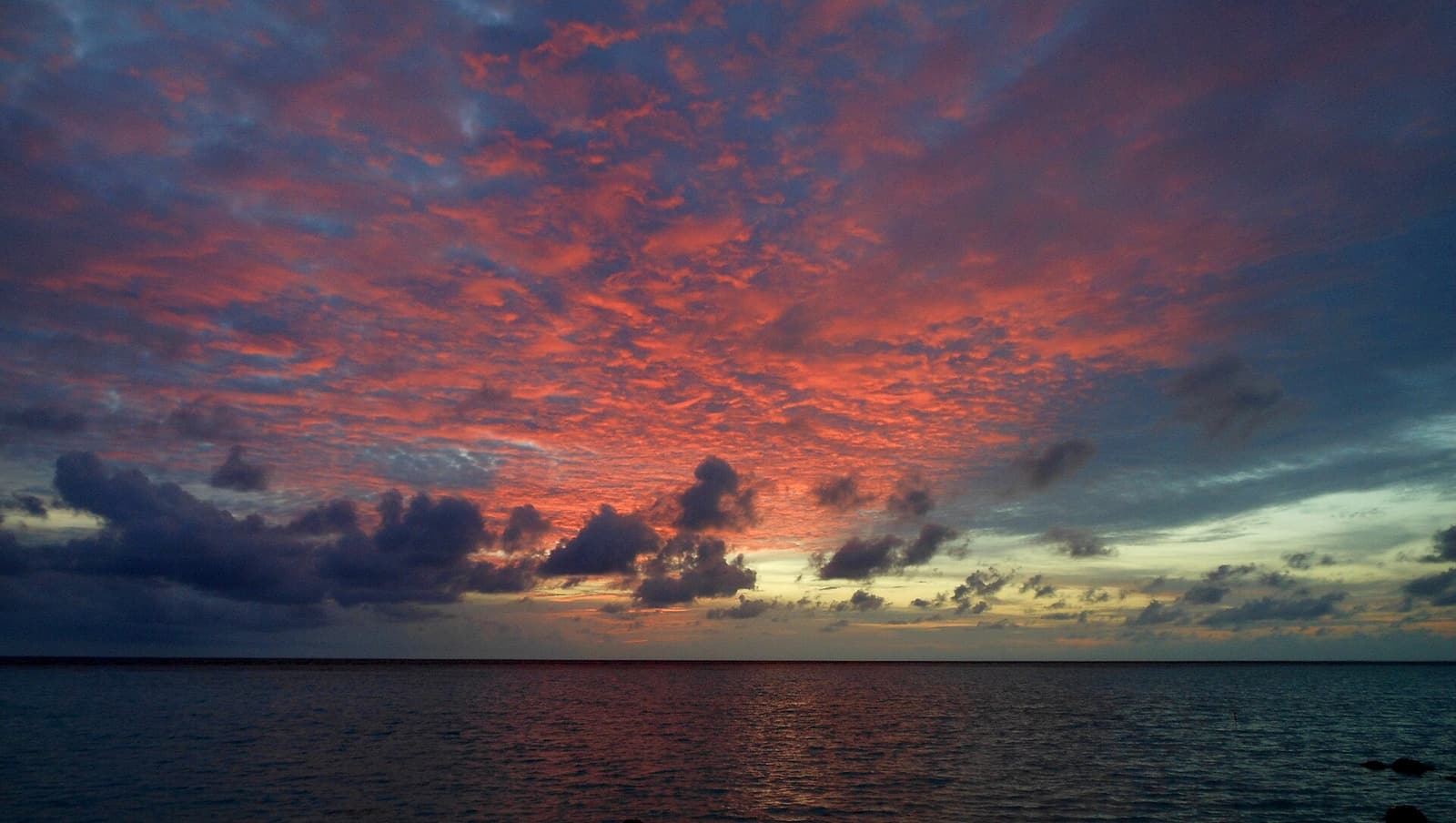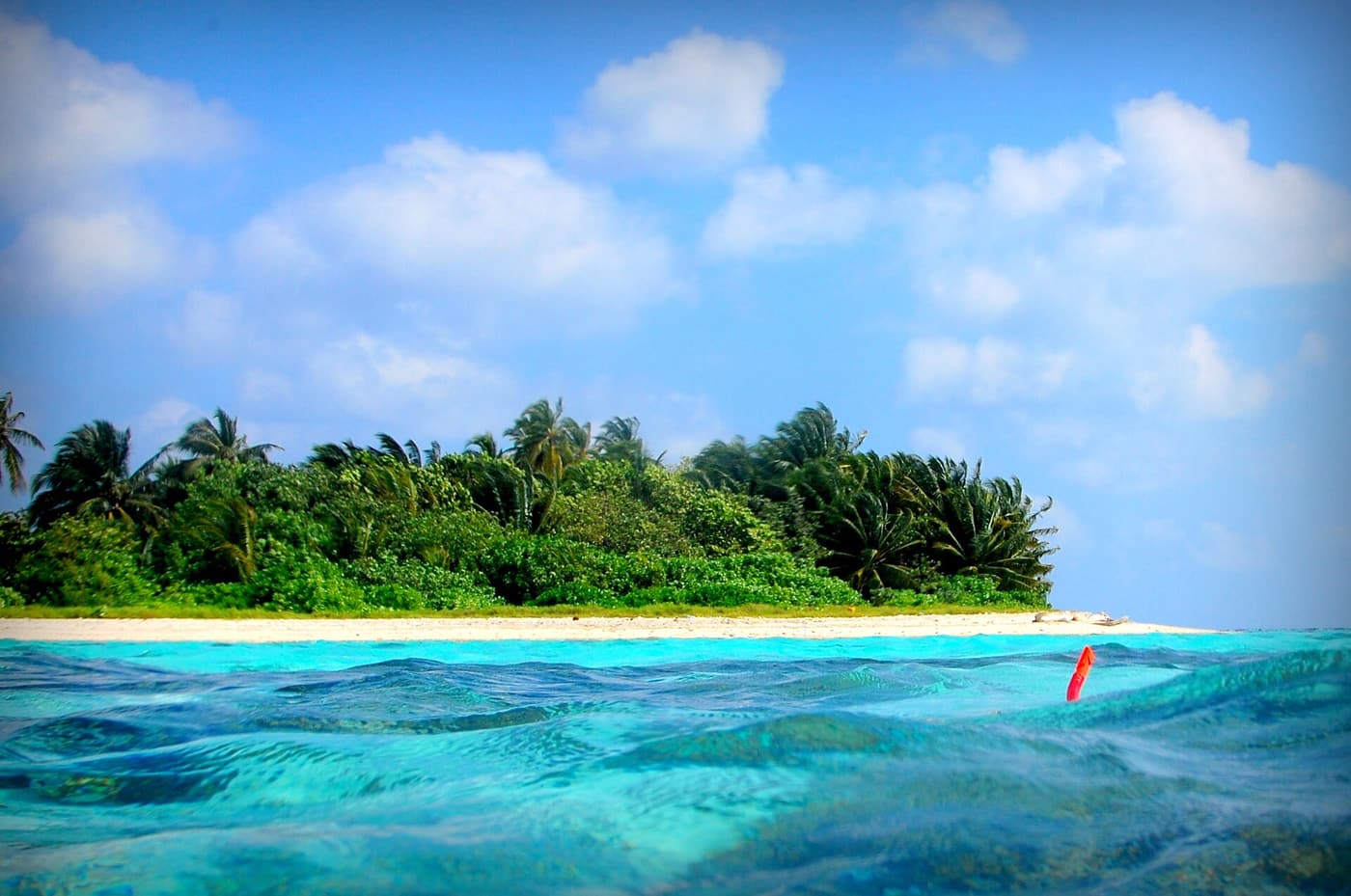
Fulidhoo is one of the smallest and best-loved local islands in the Maldives. A few hundred people live in its single village, and on a calm evening you can watch nurse sharks and stingrays in the shallows of the harbour, hear Bodu Beru drums from a guesthouse garden and walk barefoot from one end of the island to the other in a few minutes.
Fulidhoo at a glance
- Where: Vaavu (Felidhu) Atoll, south of Malé, roughly an hour by speedboat.
- What it is: an inhabited “local island”, not a resort — Muslim, alcohol-free, with a designated bikini beach.
- Famous for: nurse sharks and stingrays at the harbour, Bodu Beru drumming, and access to Vaavu’s celebrated dive sites.
- Stay: guesthouses and small hotels — see where to stay.
- Currency: Maldivian rufiyaa (MVR); US dollars widely used for tourist services.
- Best season: December to April for calmer, drier weather; good diving all year when conditions allow.
Things to do on Fulidhoo
The island itself takes an hour to see; the sea around it takes as long as you like. These are the highlights — each has its own guide.
 On Fulidhoo
Fulidhoo Harbour
Nurse sharks and stingrays at the water’s edge
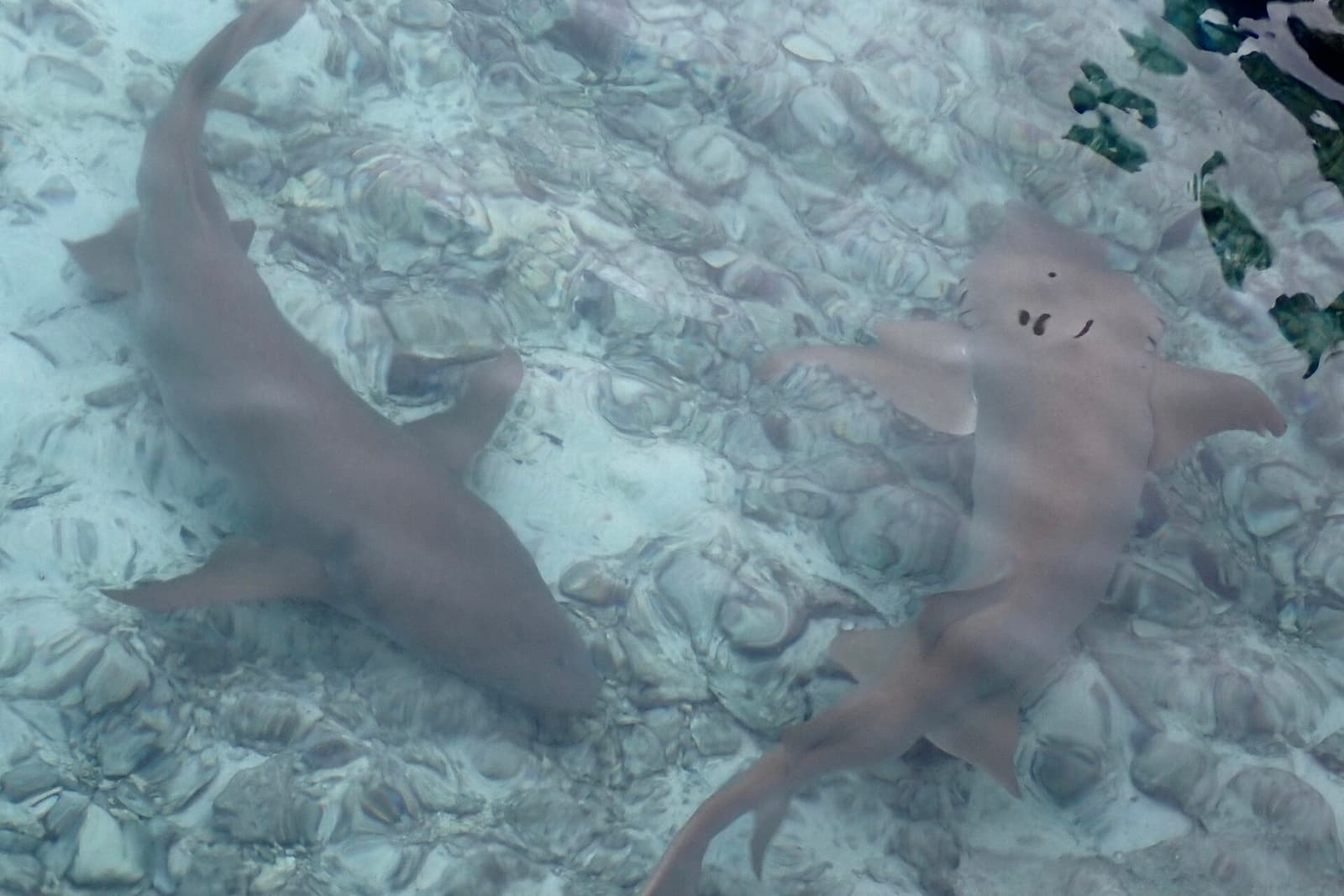
The small harbour and jetty are Fulidhoo’s best-known sight. Tawny nurse sharks and stingrays cruise the shallows here, drawn over the years by the scraps fishermen throw back when they clean their catch. You can watch from the quay or wade in the shallows — no boat and no ticket needed.
 On Fulidhoo
Bikini Beach
The island’s designated beach for swimwear
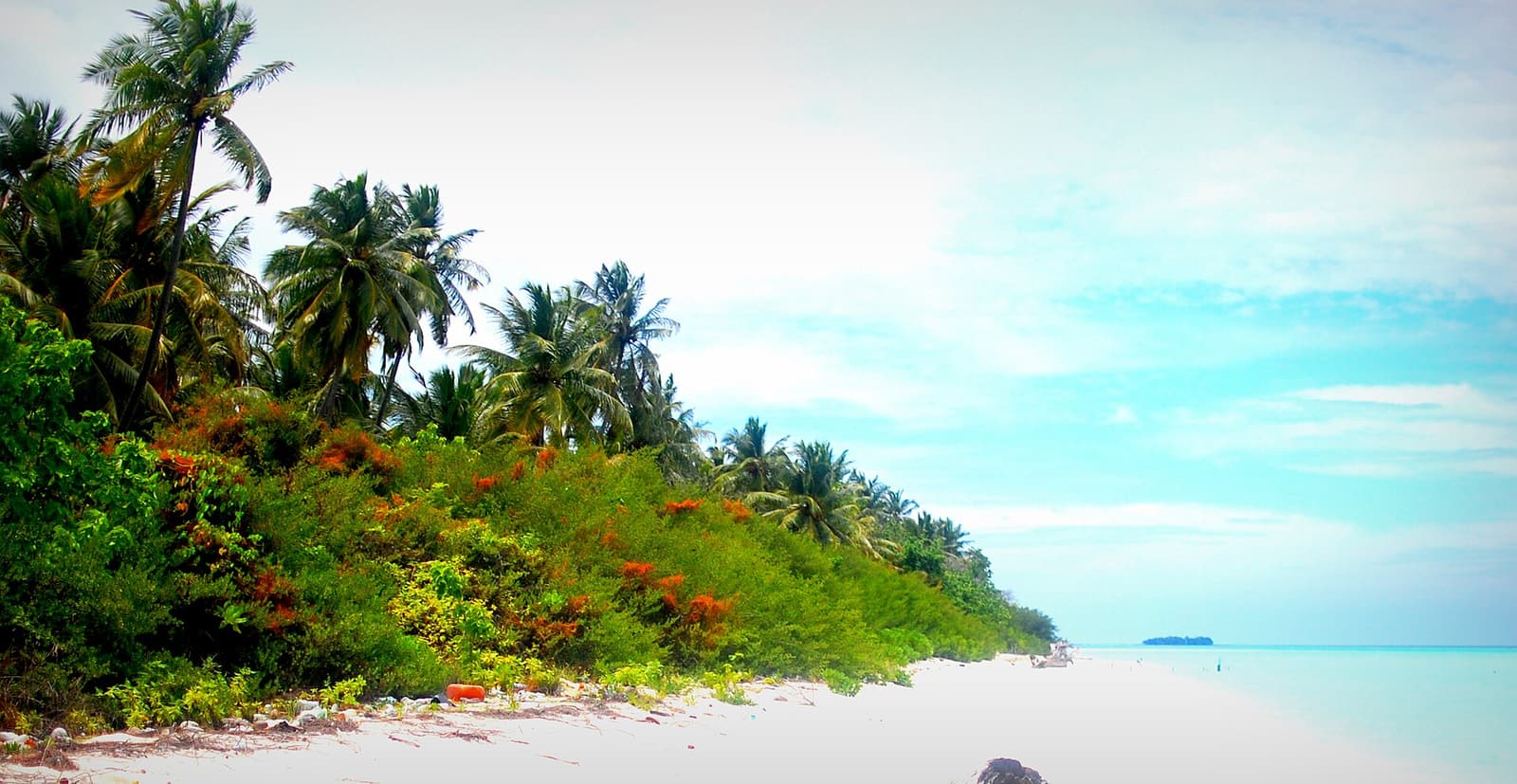
Fulidhoo is a Muslim local island, so swimwear is only appropriate on its designated tourist beach — the “bikini beach”. Here you can sunbathe and swim in a bikini, with palms for shade and a lagoon of clear, shallow water. Elsewhere on the island, cover shoulders and knees.
 On Fulidhoo
Fulidhoo Village
Sandy lanes, a mosque, and the beat of Bodu Beru
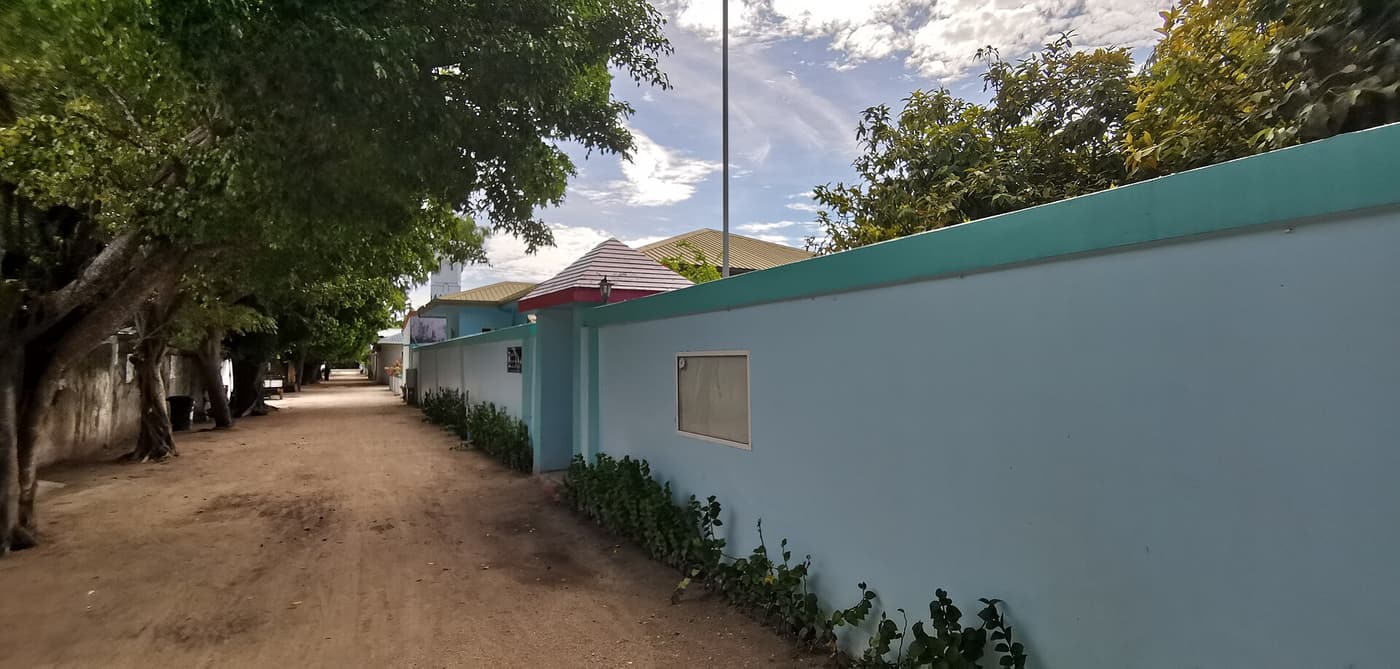
A few hundred people live on Fulidhoo, on sandy lanes lined with coral-stone walls, flowering trees and swings. There are no cars to speak of. The island is known in the Maldives for its Bodu Beru drummers, and guesthouses can often arrange a performance.
 Reefs & channels of Vaavu
Alimatha Night Dive
One of the Maldives’ famous shark dives
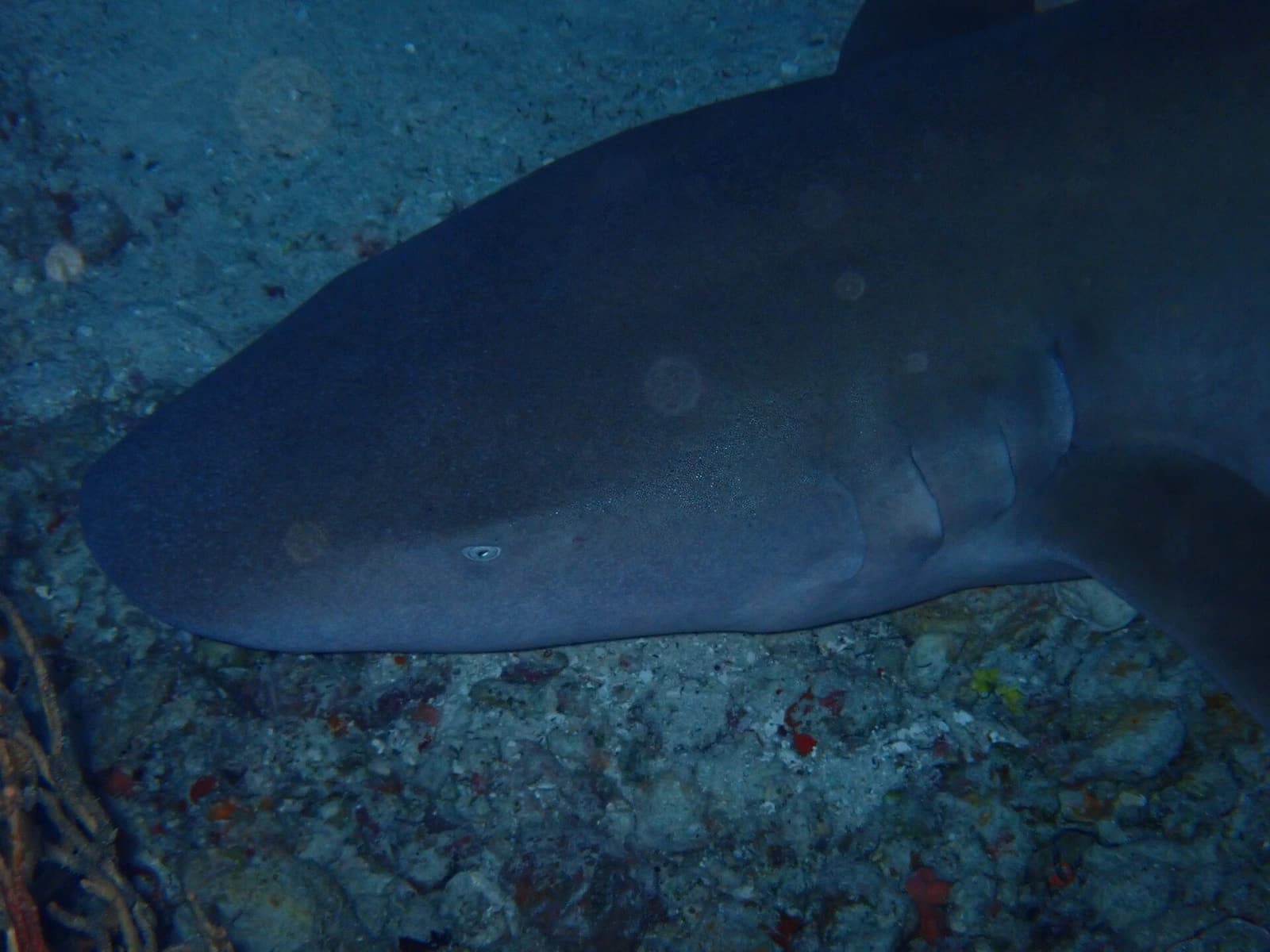
Under the jetty of the resort island of Alimatha, a short boat ride from Fulidhoo, large numbers of tawny nurse sharks gather after dark, together with stingrays and big trevally. Dive centres in Vaavu run it as a night dive; it is one of the best-known dives in the country.
Snorkelling and diving
Vaavu is one of the most celebrated diving atolls in the Maldives. Snorkellers can find nurse sharks, rays, turtles and reef fish on half-day boat trips; divers come for the Alimatha night dive and the channels of Fotteyo and Miyaru Kandu. See our snorkelling and diving guide.
Excursions
Sandbank picnics, dolphin cruises, sunset fishing, island hopping and resort day visits are offered by every guesthouse. See excursions from Fulidhoo and the bookable tours.
Local-island rules in brief
Fulidhoo is a conservative Muslim community. Swimwear belongs on the bikini beach, boats and sandbanks only; elsewhere cover shoulders and knees. There is no alcohol on the island and you cannot bring any into the country. Shops close briefly at prayer times. Read the full local-island guide before you go.
Food
You will eat mostly at your guesthouse and in a handful of small cafés. Maldivian food is built on tuna, coconut, rice and chilli: fish curry (mas riha), grilled reef fish, roshi flatbread and, at breakfast, mas huni — shredded tuna with grated coconut, onion and chilli. Most guesthouses also cook simple international dishes. Half board is often the easiest option.
Money
Bring US dollars in clean, recent notes plus a little rufiyaa. Do not rely on finding an ATM or card payment for everything on Fulidhoo; withdraw cash in Malé or at the airport. A per-night green tax applies to guesthouse stays. Details in our costs and money guide.
Health and safety
- Sun: the equatorial sun is fierce; use a hat, a rash guard and reef-safe sunscreen.
- Sea: currents in channels can be strong. Snorkel with a guide outside the lagoon, and always tell someone where you are going.
- Marine life: don’t touch anything; shuffle your feet in the shallows to avoid stepping on rays; wear reef shoes on coral rubble.
- Medical: small islands have only basic health facilities; serious cases go to Malé. Travel insurance that covers diving and evacuation is essential.
- Mosquitoes: bring repellent, especially for evenings.
What to pack
- Light, loose clothes that cover shoulders and knees; a sarong for the walk to the beach.
- Your own mask and snorkel if you have a good one; reef shoes.
- Reef-safe sunscreen, after-sun, insect repellent, basic first aid and any medicines you need.
- A dry bag, a torch and a universal adaptor (the Maldives commonly uses UK-style plugs).
- US dollars in cash.
How long to stay
Three nights covers the essentials; five to seven allows dives, a resort day and slow time. Our itineraries show both. Many travellers combine Fulidhoo with another local island or a few nights at a resort. For a second local island with a different focus, consider Dhangethi in South Ari Atoll, known for whale shark and manta excursions. It lies in another atoll and there is usually no direct boat, so plan to connect through Malé, from where shared speedboats take roughly one and a half to two hours. Our Dhangethi travel guide covers the island, its excursions and the transfers.