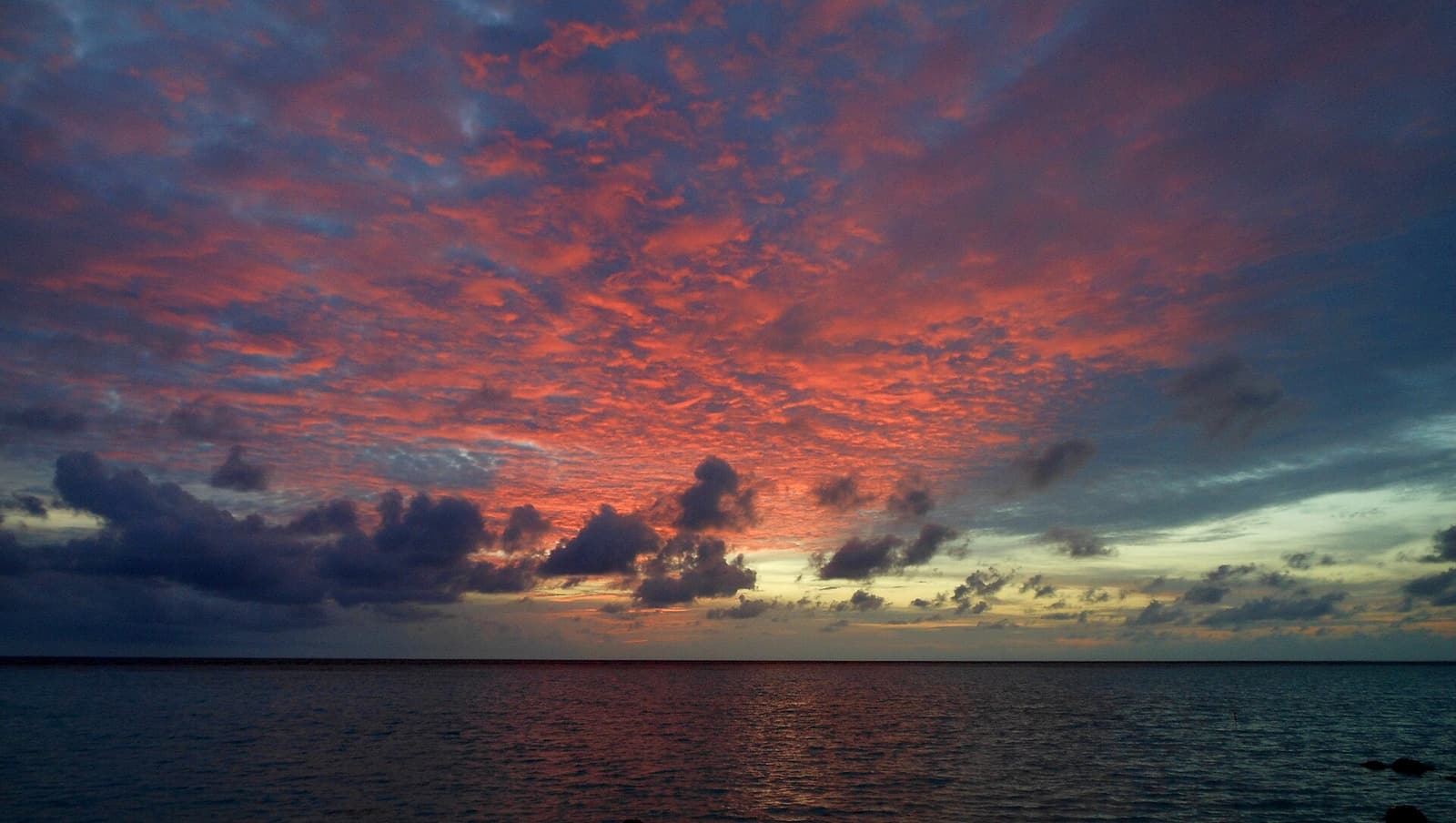
Vaavu has a reputation among divers far bigger than its size. Its eastern rim faces the open Indian Ocean, and the channels cutting through it draw in sharks, rays and huge schools of fish. Inside the atoll, the lagoon is scattered with reefs and sandbanks that are perfect for snorkellers. Fulidhoo sits right in the middle of all this.
Snorkelling
From the island
You can snorkel from the bikini beach and in the shallows by the harbour, where nurse sharks and stingrays come in close. The lagoon is shallow and calm, good for practising — but the best reefs are a boat ride away.
By boat
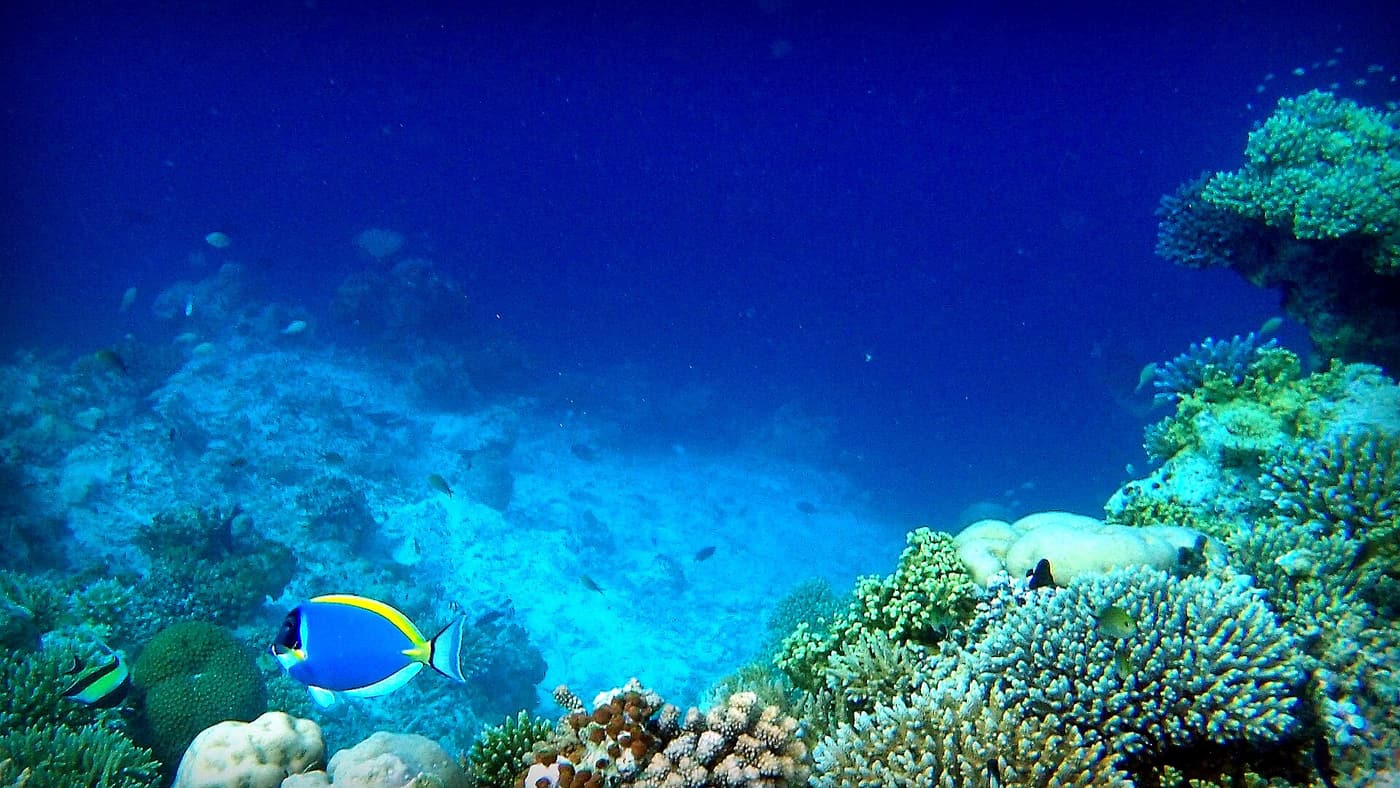
Half-day snorkel trips are the core of a Fulidhoo stay. A typical trip visits two or three sites: a reef with turtles and colourful fish, a spot where nurse sharks rest on the sand, and often a sandbank. Ask for a guide who swims with the group.
Diving
Dive centres working with Fulidhoo’s guesthouses take divers to sites across Vaavu. Three stand out:
- Alimatha night dive — large numbers of nurse sharks gather under a resort jetty after dark. Relatively sheltered and often diveable when the outer channels are not.
- Fotteyo Kandu — an eastern channel of overhangs, caves and soft corals, rated by many as one of the best dives in the Maldives. Strong currents; for experienced divers.
- Miyaru Kandu — “shark channel”, where grey reef sharks gather in the current at the mouth.
Beyond these there are thilas (submerged reef tops), lagoon reefs and gentle sites suitable for beginners and training dives. Manta rays occur in Vaavu but are seen far more reliably in other atolls in season.
Before you go: what you can book online
Bookable products are mostly from Malé — useful to try scuba, dive a wreck or practise a night dive on your arrival or departure day — plus the Vaavu snorkel day trips:
| Experience | Who it suits | Where | Book |
|---|---|---|---|
| Harbour sharks & rays | Everyone, including children | Fulidhoo harbour | Free — just walk there |
| Reef & sandbank snorkel trip | Snorkellers of all levels | Lagoon reefs of Vaavu | Guesthouse or day trip from Malé/Maafushi |
| Discover Scuba / beginner course | Non-divers | Malé area or Vaavu dive centre | Online from Malé, or locally |
| Alimatha night dive | Certified divers | Alimatha jetty | Vaavu dive centre |
| Fotteyo & Miyaru Kandu | Experienced divers in current | Eastern rim of Vaavu | Vaavu dive centre |
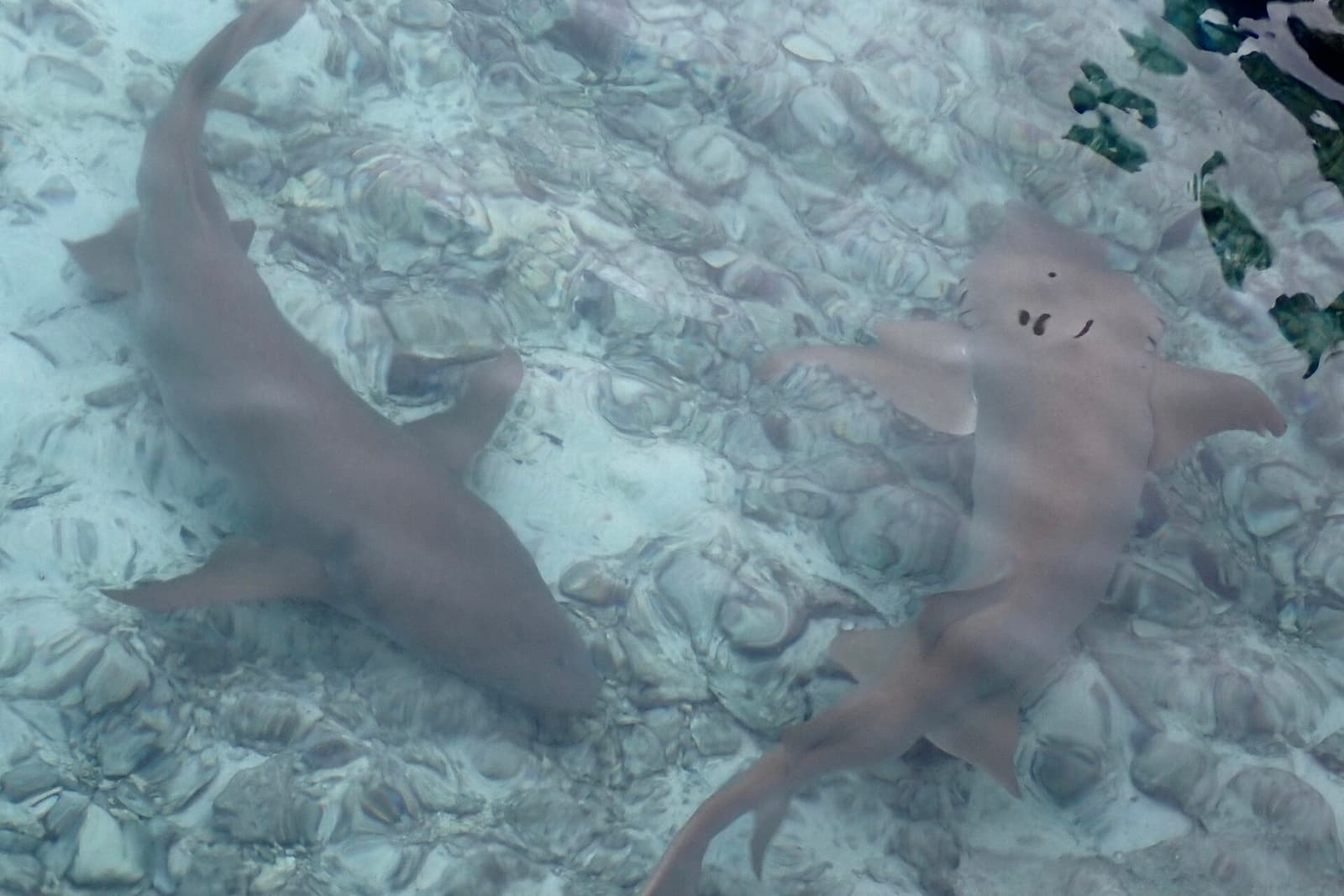 Full-day trip from €189
Malé: Nurse Shark Maldives & Fulidhoo Stingray Tour
A full day from the capital to Vaavu Atoll by speedboat: snorkelling with gentle nurse sharks, the stingrays of Fulidhoo, a look for dolphins and a picnic lunch.
- Snorkel with nurse sharks, stingrays and dolphins in Vaavu Atoll
- Speedboat from Malé
- Picnic lunch included
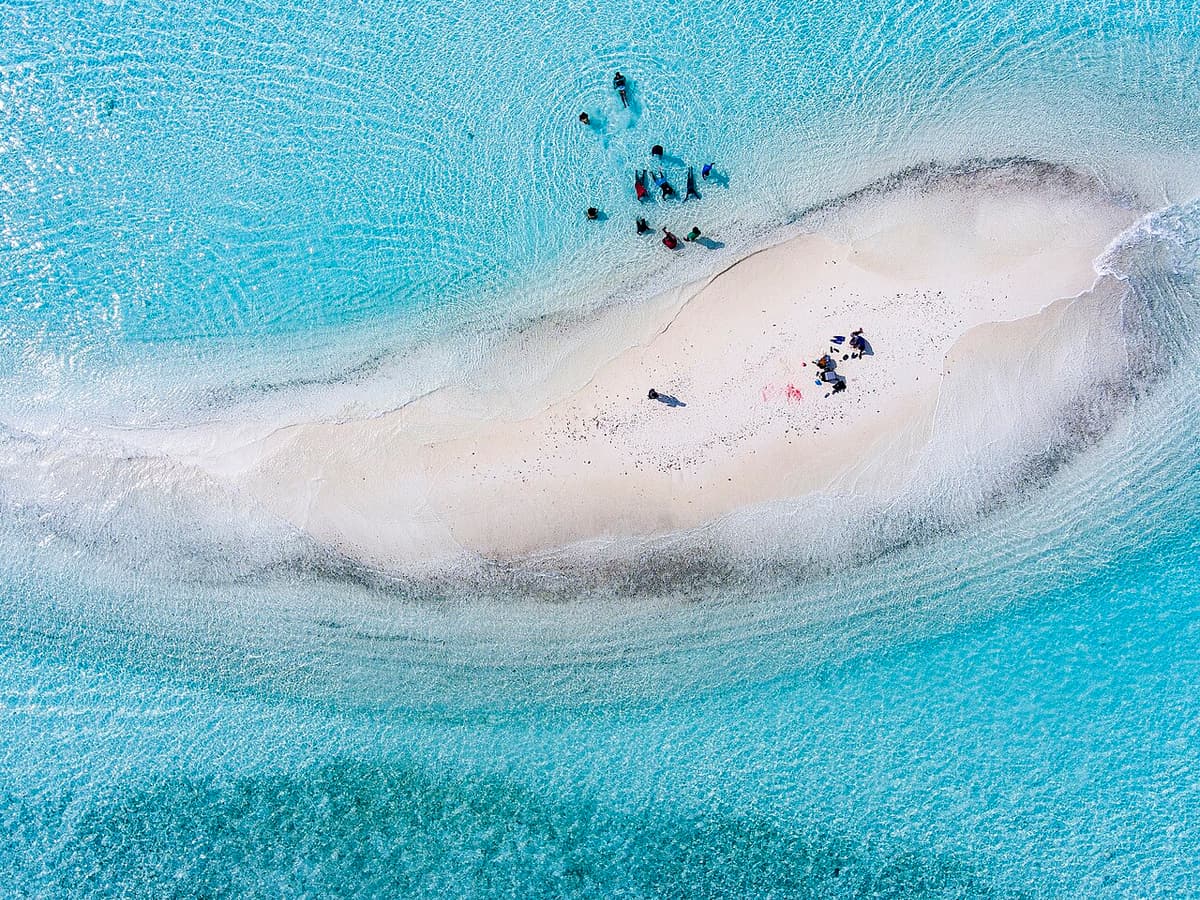 Private tour from €1168 per group
Maldives: “Shipwrecks, Sharks, and Sandbanks” Full-Day Tour
A full-day boat tour combining a shipwreck snorkel, nurse sharks, stingrays, dolphin watching, a sandbank and a visit to Fulidhoo village. Priced per group.
- Shipwreck snorkelling
- Nurse sharks and stingray feeding
- Sandbank and a visit to Fulidhoo village
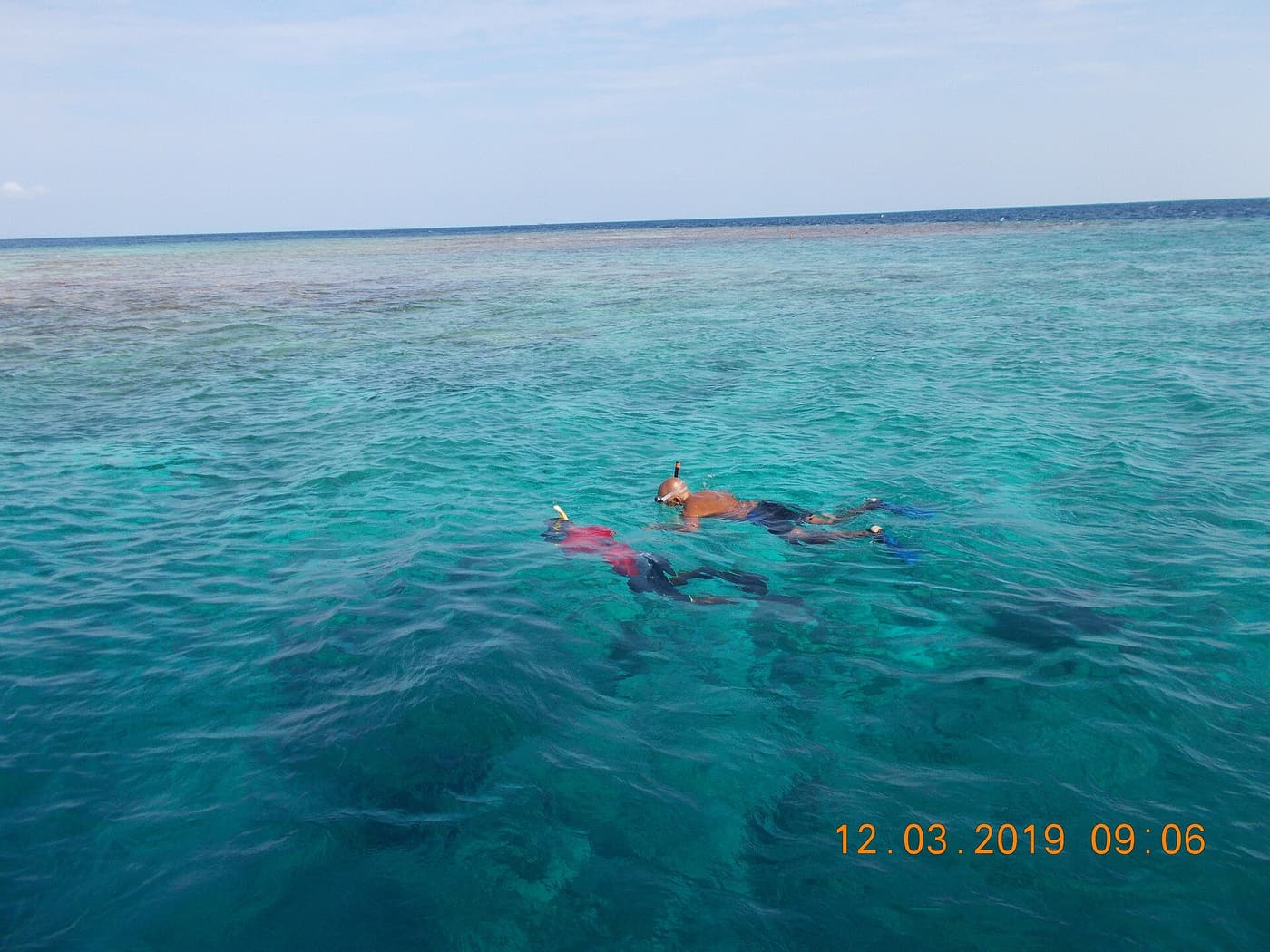 Diving from €117
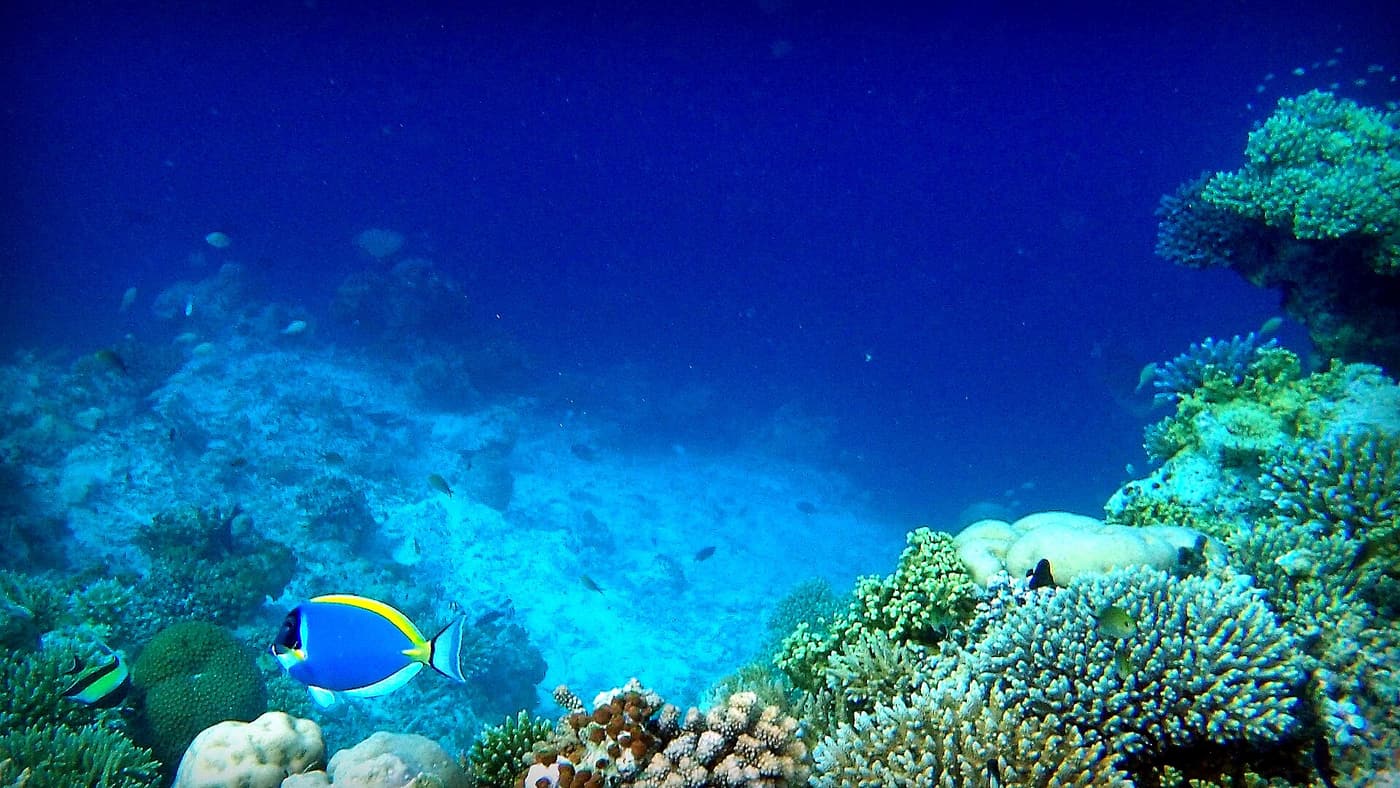
Maldives: Discover Scuba Diving
A beginner-friendly introduction to scuba: learn the basic skills, then dive with an instructor and explore the reef. No previous experience needed.
- No experience needed
- Basic skills with an instructor
- A first dive among reef life
 Diving from €90
Maldives: Victory Shipwreck Scuba Dive
Dive the MV Maldive Victory, a cargo ship now covered in coral and fish, close to the airport. The wreck lies in fairly deep water and currents can run, so it is for certified divers — dive within your training.
- The Maldive Victory wreck near the airport
- Coral-covered hull and plenty of fish
- For certified divers
 Diving from €135
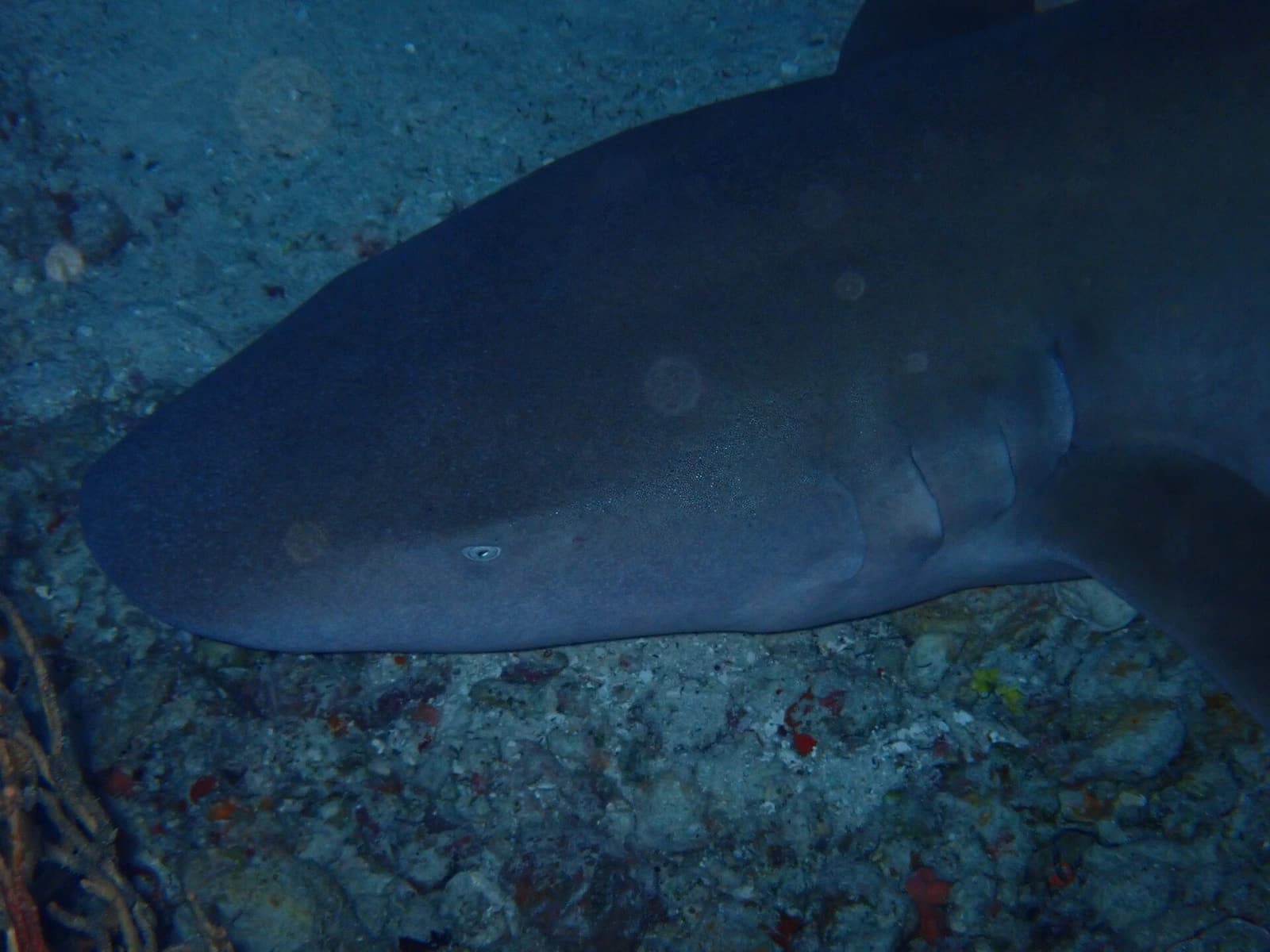
Maldives: Night Dive with Equipment and Guide
When the sun sets the reef changes completely. Explore it by torchlight with a guide and all the equipment.
- Reef by torchlight
- Equipment and guide included
- Nocturnal marine life
 Snorkel trip from €80
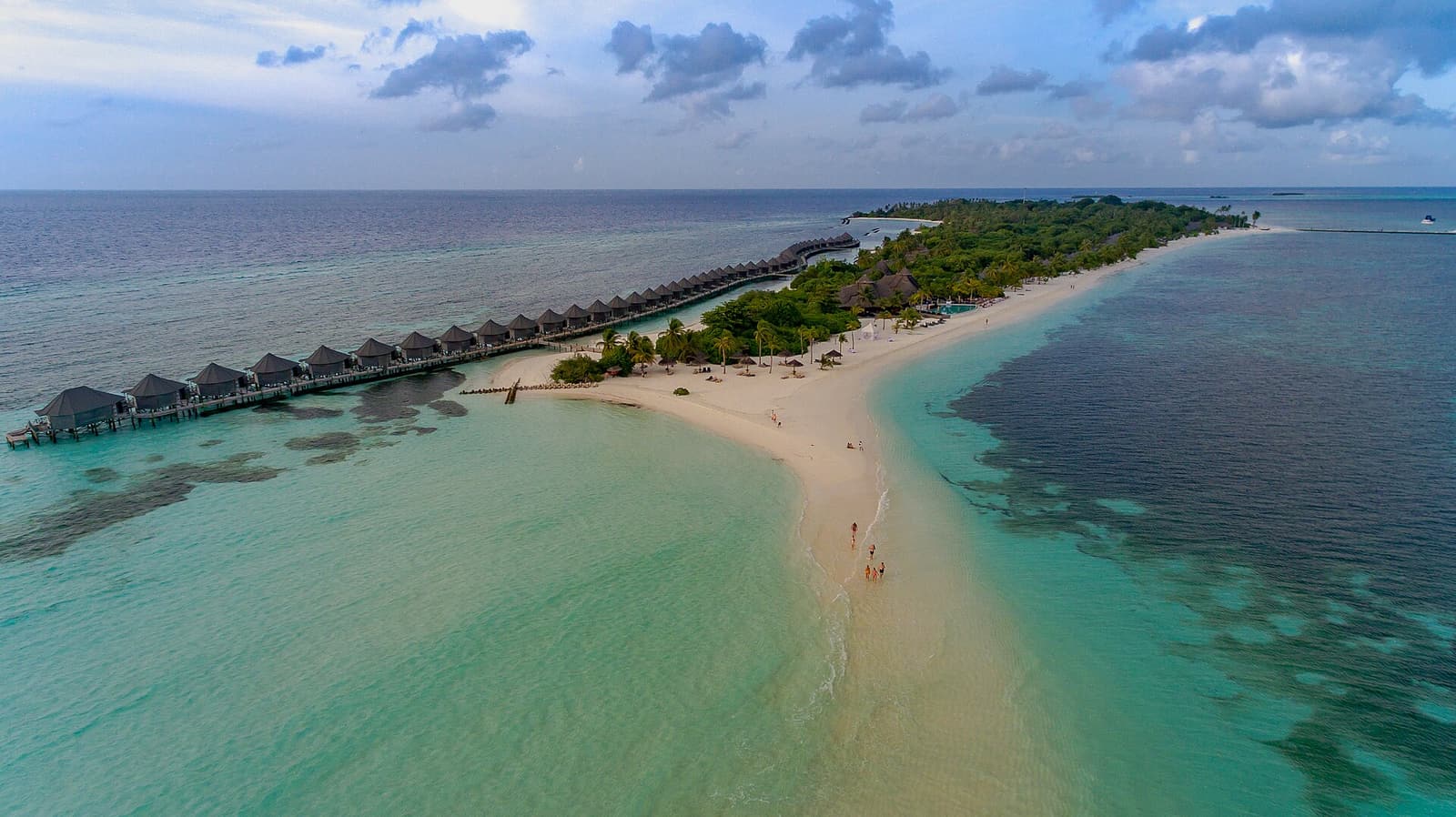
Maldives: Snorkeling with Nurse Sharks, Coral Reef, Sandbank
A short, well-reviewed snorkel trip from the Malé area: nurse sharks, a coral reef and a sandbank, by speedboat. Handy on the day you arrive or before your flight home.
- Swim with nurse sharks
- Coral reef snorkelling
- Time on a sandbank
 Snorkel trip from €80
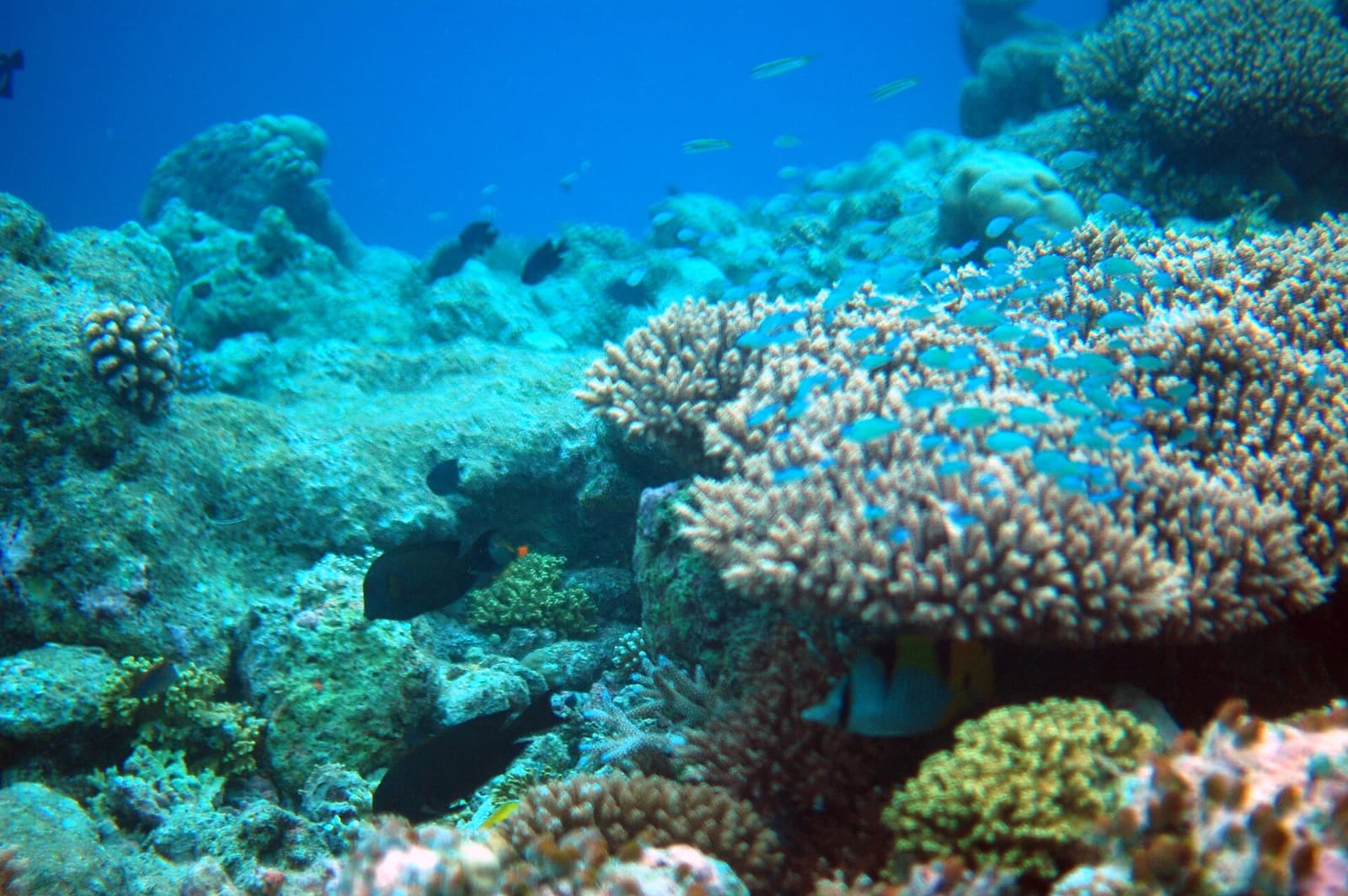
Maldives: Stingray Swim & 3-Reef Snorkeling Tour
Three reefs in three hours, including the Fish Tank spot, with stingrays, reef fish and corals.
- Swim with stingrays
- Three different reefs
- Includes the “Fish Tank” spot
 Day trip from €71
From Hulhumalé: Full-Day Stingray Reef Snorkeling Boat Tour
A day of snorkelling from Hulhumalé, near the airport, with a boat trip to Himmafushi island and time on a colourful reef. One of the most reviewed trips around Malé.
- Boat trip to Himmafushi island
- Snorkel a coral reef
- Hundreds of reviews
Choosing a dive centre
- Ask your guesthouse which centre it works with, and read recent reviews.
- Check certification (PADI, SSI or similar), the condition of rental gear, group sizes and whether they carry oxygen and first aid on the boat.
- Bring your certification card and logbook. Channel dives usually require advanced certification or proven experience.
- Make sure your travel insurance covers scuba diving to your planned depth.
Safety and responsible snorkelling
- Currents can be strong outside the lagoon — snorkel with a guide or from a boat, never alone.
- Don’t touch, chase or feed sharks, rays or turtles; give turtles space to surface and breathe.
- Don’t stand on coral. Practise floating in the lagoon first; use a buoyancy vest if needed.
- Use reef-safe sunscreen and a rash guard instead of reapplying lotion before every swim.
- Leave 18–24 hours between your last dive and your flight, as dive agencies recommend.
When to go
Diving and snorkelling are possible all year. The northeast monsoon (roughly December to April) usually brings calmer seas and easier access to the eastern channels; the southwest monsoon can bring rough crossings and cancellations. See the best time to visit.